
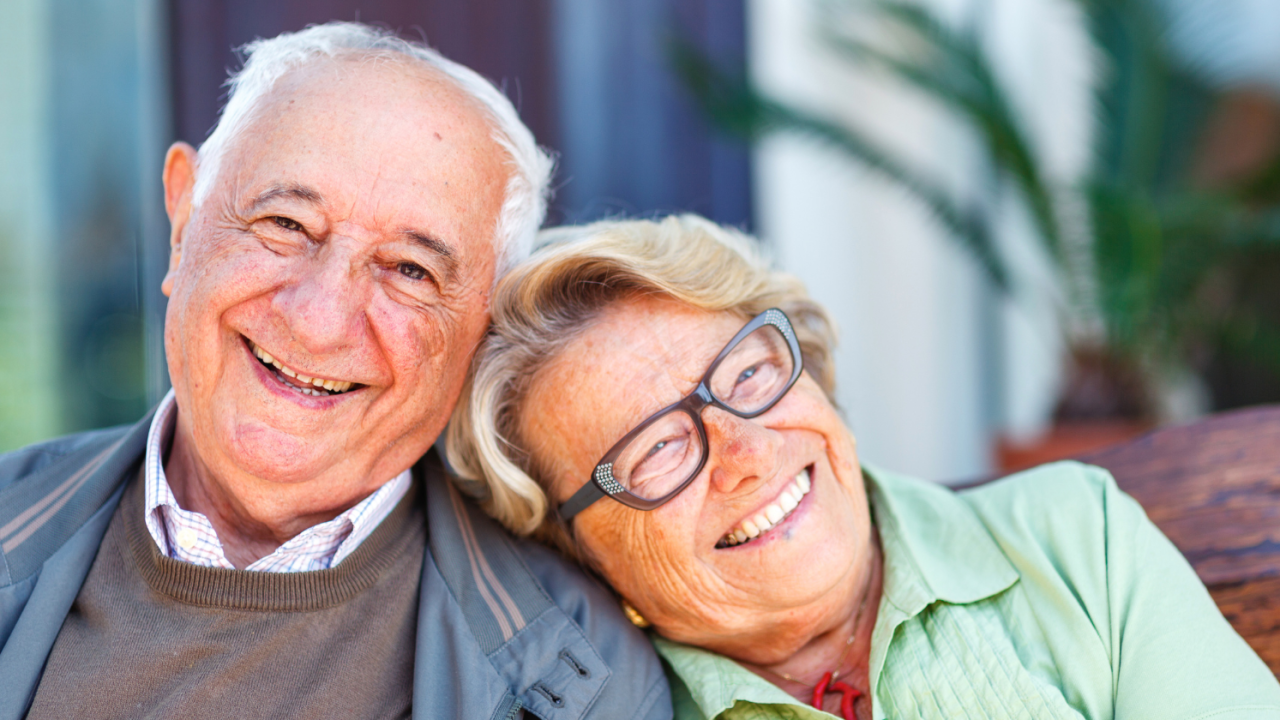
Eleanor sat quietly in her garden chair, watching her neighbor wave goodbye after their morning coffee ritual. At 78, she’d outlived her husband by six years and watched many friendships fade. But here was Patricia, showing up every Tuesday for the past decade—not because they shared hobbies or social status, but because they could sit together without pretense. No makeup required, no impressive stories needed. Just two women who’d learned that authenticity trumps everything else.

This scene plays out in countless homes across America, revealing a profound truth that researchers have spent decades uncovering. The happiest seniors aren’t necessarily those with the biggest retirement accounts or the most enviable health records.
They’re the ones who built relationships where they never have to wear a mask.

What Makes Happiness After 70 Different From Earlier Decades
The pursuit of happiness changes dramatically as we age. While younger adults often chase achievements, promotions, and social validation, people over 70 have typically moved beyond these external markers of success.
Research from Harvard’s Grant Study, which has followed participants for over 80 years, reveals that relationship quality becomes the strongest predictor of well-being in later life. But not just any relationships—specifically those characterized by complete authenticity.

The relationships that sustain us in our golden years aren’t the ones where we feel pressure to be impressive or entertaining. They’re the ones where we can show up exactly as we are, gray hair and all.
— Dr. Robert Waldinger, Harvard Study of Adult Development

This authenticity factor distinguishes truly fulfilling relationships from superficial social connections. Many seniors maintain dozens of acquaintances through community groups, religious organizations, or neighborhood activities. While these connections provide value, they often require some level of performance or social presentation.
The magic happens in relationships where that performance disappears entirely.

The Science Behind Authentic Connections in Later Life
Understanding why authentic relationships matter so much requires looking at the unique psychological landscape of aging. As people enter their seventies and beyond, several factors converge to make genuine connection more crucial than ever.
First, the social circle naturally shrinks. Career-based relationships fade after retirement. Health challenges may limit mobility and social opportunities. Family members often live far away or become absorbed in their own busy lives.
Second, older adults develop what psychologists call “socioemotional selectivity.” They become more discerning about how they spend their remaining time and energy, gravitating toward relationships that provide deep satisfaction rather than broad social networks.
When you realize your time is limited, you stop wasting it on relationships that drain your energy. You invest in the people who see the real you and love you anyway.
— Dr. Laura Carstensen, Stanford Center on Longevity
The health benefits of authentic relationships extend far beyond emotional well-being:
- Lower rates of depression and anxiety
- Reduced inflammation markers associated with chronic disease
- Better sleep quality and immune function
- Slower cognitive decline and reduced dementia risk
- Increased longevity—sometimes by several years
But the most powerful aspect isn’t what these relationships prevent—it’s what they enable. Authentic connections provide a safe space for vulnerability, fear, and uncertainty that naturally accompany aging.
What “Not Having to Perform” Actually Looks Like
The concept of non-performative relationships can seem abstract, but it manifests in very concrete ways. These relationships share several key characteristics that distinguish them from more superficial connections.
| Performative Relationships | Authentic Relationships |
|---|---|
| Always putting your best foot forward | Comfortable sharing struggles and fears |
| Feeling pressure to be entertaining or impressive | Enjoying comfortable silences together |
| Hiding health problems or family issues | Getting practical and emotional support during difficulties |
| Maintaining appearances about finances or lifestyle | Being honest about limitations and changes |
| Surface-level conversations about weather and news | Deep discussions about meaning, mortality, and legacy |
In authentic relationships, seniors can admit when they’re scared about a medical test, frustrated with technology, or lonely on difficult days. They don’t need to pretend their marriage was perfect, their children turned out exactly as hoped, or their retirement is everything they dreamed.
This emotional honesty creates a feedback loop of deepening trust and intimacy. When someone accepts your authentic self—including your flaws, regrets, and fears—it validates your worth as a human being in ways that superficial praise never could.
I’ve seen patients transform when they find just one person who accepts them completely. The relief of not having to pretend anymore is like medicine.
— Dr. Patricia Williams, Geriatric Psychiatrist
How to Build These Relationships Later in Life
Creating authentic relationships after 70 presents unique challenges, but it’s absolutely possible. Many of the happiest seniors found their deepest connections during this life stage, not earlier.
The key lies in prioritizing depth over breadth. Instead of trying to maintain dozens of casual friendships, invest your limited energy in developing a few meaningful connections.
Start by being authentic yourself. Share something real about your experience—a fear, a loss, a moment of joy. This vulnerability often gives others permission to drop their own masks.
Look for relationships that already show potential for depth. Maybe it’s the neighbor who checks on you after surgery, the fellow volunteer who remembers your grandchildren’s names, or the old friend who calls during difficult anniversaries.
- Choose consistency over intensity—regular, low-key contact often works better than elaborate social events
- Create rituals that don’t require performance—shared walks, simple meals, or quiet activities
- Be patient with the process—authentic relationships develop slowly but last longer
- Focus on giving rather than receiving—being authentic includes showing genuine interest in others
Some seniors find these connections through support groups, volunteer work, or faith communities. Others reconnect with old friends on a deeper level, moving past small talk to more meaningful exchanges.
The most profound friendships of my life began after I turned 65. When you stop trying to impress people, you attract the ones who matter.
— Margaret Chen, Retired Teacher and Volunteer
The Ripple Effects of Authentic Connection
When seniors have at least one relationship where they don’t need to perform, the benefits extend far beyond that single connection. Authentic relationships create a foundation of security that improves other areas of life.
With emotional needs met through genuine connection, many seniors feel more confident engaging in community activities, pursuing new interests, or taking appropriate risks. They’re less likely to stay in unsatisfying relationships out of loneliness and more likely to set healthy boundaries.
These relationships also provide practical benefits that become increasingly important with age. Authentic connections often translate into reliable support during health crises, honest feedback about important decisions, and advocacy when dealing with complex systems like healthcare or housing.
Perhaps most importantly, having someone who truly knows and accepts you provides a sense of continuity and meaning. As physical abilities change and social roles shift, these relationships anchor identity and self-worth in something deeper than external circumstances.
FAQs
What if I’ve always been a private person who doesn’t share personal details?
Authenticity doesn’t require oversharing. Start small by expressing genuine preferences, admitting when you don’t know something, or sharing a mild frustration. Authentic connection grows gradually.
Can these authentic relationships develop with family members?
Absolutely. Many seniors find their deepest authentic connections with adult children, siblings, or spouses once they drop family roles and expectations. Sometimes family relationships become more genuine with age.
How do I know if a relationship has the potential for authenticity?
Look for people who respond with empathy rather than advice when you share something personal. Notice who asks follow-up questions about things that matter to you and who seems comfortable with their own imperfections.
Is it too late to develop these relationships if I’m already over 70?
It’s never too late. Many research participants found their most meaningful relationships in their seventies, eighties, and even nineties. The key is being open to connection when opportunities arise.
What if my health problems make it hard to maintain relationships?
Authentic relationships often become stronger during health challenges because they’re based on genuine care rather than shared activities. Many seniors find that health struggles actually deepen their most meaningful connections.
Can authentic relationships exist with much younger people?
Yes, though they may look different. Some seniors find authentic connections with caregivers, neighbors of different ages, or through intergenerational programs. Age differences matter less than mutual respect and genuine interest.