
The hospice room smelled like disinfectant and quiet resignation. Eleanor watched her 78-year-old father, once a commanding presence who’d run his own construction business for forty years, now reduced to a frail figure in a hospital bed. What struck her wasn’t his physical decline—she’d prepared for that. It was how he insisted on learning every nurse’s name, thanking each one personally, and asking about their families even as his own strength faded.

“Dad, you don’t have to entertain everyone,” she’d whispered during one particularly difficult day. He turned to her with eyes that still held their familiar spark. “Ellie, this is all I have left. But it’s still mine to give.”
That moment crystallized something Viktor Frankl had written decades earlier: “Everything can be taken from a man but one thing: the last of the human freedoms—to choose one’s attitude in any given set of circumstances.” Until watching her father’s final weeks, Eleanor had dismissed this as philosophical rhetoric. Now she understood it was perhaps the most practical truth about human resilience ever written.

The Power Hidden in Our Darkest Moments
Viktor Frankl, a Holocaust survivor and psychiatrist, discovered this principle in the concentration camps of Nazi Germany. While imprisoned at Auschwitz and other camps, he observed that those who survived weren’t necessarily the physically strongest or most privileged. They were often the ones who maintained some sense of choice over their internal response to unimaginable circumstances.
This wasn’t about positive thinking or denial. Frankl witnessed the full horror of human cruelty. But he also saw something remarkable: even when stripped of everything—family, possessions, health, dignity—people retained one final freedom. They could choose how to meet their suffering.

“When we are no longer able to change a situation, we are challenged to change ourselves.”
— Viktor Frankl, Holocaust Survivor and Psychiatrist

For many of us living comfortable lives, this concept remains abstract until we face our own moments of powerlessness. A terminal diagnosis. Job loss. The death of someone we love. Suddenly, Frankl’s words transform from philosophy into survival instruction.
What This Freedom Actually Looks Like in Practice
Understanding this last human freedom requires recognizing what it is—and what it isn’t. It’s not about controlling outcomes or maintaining perpetual optimism. Instead, it’s about exercising agency over the one thing that remains entirely ours: our response.
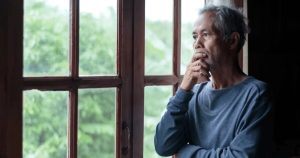
Here’s how this freedom manifests in real situations:
| Situation | What You Can’t Control | What You Can Choose |
|---|---|---|
| Serious illness | Disease progression, treatment outcomes | How you treat caregivers, what you focus on daily |
| Job loss | Company decisions, economic conditions | How you spend your time, attitude toward new opportunities |
| Relationship ending | Other person’s choices and feelings | How you process grief, what you learn about yourself |
| Caring for aging parents | Their health decline, past family dynamics | How present you are, what kind of support you offer |
The father in hospice exemplified this perfectly. He couldn’t control his cancer, his pain levels, or how much time remained. But he could control how he interacted with each person who entered his room. He chose gratitude over bitterness, curiosity about others over self-pity.
“We cannot always control what happens to us, but we can always control how we respond. That’s where our power lives.”
— Dr. Sarah Chen, Clinical Psychologist
This isn’t about suppressing negative emotions or pretending everything is fine. It’s about recognizing that even in our responses to tragedy, we retain choice. We can choose to notice small kindnesses. We can choose to say thank you. We can choose to ask someone about their day.
Why This Freedom Matters More Than Ever
Modern life creates an illusion of control that makes Frankl’s insight both harder to understand and more necessary to embrace. We’re surrounded by technology that responds to our commands, systems designed for our convenience, and cultural messages that suggest we should be able to optimize our way out of any problem.
When reality inevitably breaks through—when someone we love gets sick, when our carefully laid plans crumble, when we face circumstances beyond our influence—we often feel more helpless than previous generations who lived with uncertainty as a constant companion.
- We expect to control outcomes that previous generations accepted as largely beyond human influence
- Social media amplifies our sense that others are successfully managing what we cannot
- Consumer culture suggests every problem should have a purchasable solution
- Self-help messaging often promises more control than is realistically possible
The hospice father’s approach offers a different model. Rather than exhausting himself trying to control the uncontrollable, he focused his limited energy on the choices that remained meaningful. He couldn’t stop dying, but he could still connect with people. He couldn’t cure his disease, but he could express appreciation.
“The most resilient people I work with aren’t those who avoid suffering, but those who find ways to maintain their humanity within it.”
— Dr. Michael Rodriguez, Palliative Care Specialist
This shift in focus often reveals possibilities we miss when we’re fixated on changing what cannot be changed. The father discovered that learning nurses’ names and asking about their families brought him more satisfaction than dwelling on his prognosis. His daughter found that witnessing his grace taught her more about strength than any of his previous accomplishments.
Learning to Recognize Your Last Freedom
Identifying this freedom in your own life starts with honest assessment of what you actually control versus what you wish you could control. Most of us spend enormous emotional energy trying to influence things slightly or temporarily while neglecting the areas where we have complete authority.
You cannot control other people’s choices, natural disasters, economic conditions, aging, or how others perceive you. You cannot guarantee specific outcomes, prevent all suffering, or make life fair.
But you can control your attention, your words, your effort, and your character. You can choose what you notice, how you treat people, what you practice, and what meaning you create from your experiences.
“Freedom isn’t the absence of constraints—it’s finding your choices within them.”
— Dr. Lisa Thompson, Behavioral Therapist
The father in hospice had discovered something profound: when you stop wasting energy on what you cannot influence, you have more resources available for what you can. His gratitude wasn’t naive optimism—it was a strategic choice about where to invest his remaining strength.
This realization doesn’t eliminate suffering or make difficult circumstances easy. But it does offer something invaluable: a sense of agency even in powerlessness, dignity even in vulnerability, and purpose even when traditional goals become impossible.
Viktor Frankl spent his life helping others understand that our responses to circumstances—not the circumstances themselves—ultimately define our experience. Watching someone embody this truth in their final days transforms it from abstract philosophy into practical wisdom for living.
FAQs
Does choosing your attitude mean you should suppress negative emotions?
No, choosing your attitude means acknowledging your full emotional response while deciding how to express and channel those feelings constructively.
How is this different from toxic positivity?
Toxic positivity denies reality and demands fake cheerfulness. Choosing your attitude accepts difficult realities while maintaining agency over your response to them.
What if I’m too overwhelmed to make good choices about my attitude?
Start small with tiny choices—how you greet one person, what you notice during a single conversation, or how you spend five minutes of your day.
Can this approach really help with serious trauma or mental illness?
While this principle can be part of healing, serious trauma and mental illness often require professional treatment. This isn’t a replacement for therapy or medication when needed.
How do you maintain this perspective when facing ongoing hardship?
Focus on one interaction or one day at a time rather than trying to maintain the perfect attitude indefinitely. Small, consistent choices accumulate over time.
What if choosing a better attitude feels impossible in my situation?
Sometimes the choice is simply to keep breathing or to ask for help. Your freedom might be choosing to survive another day or accepting support from others.
Leave a Reply