
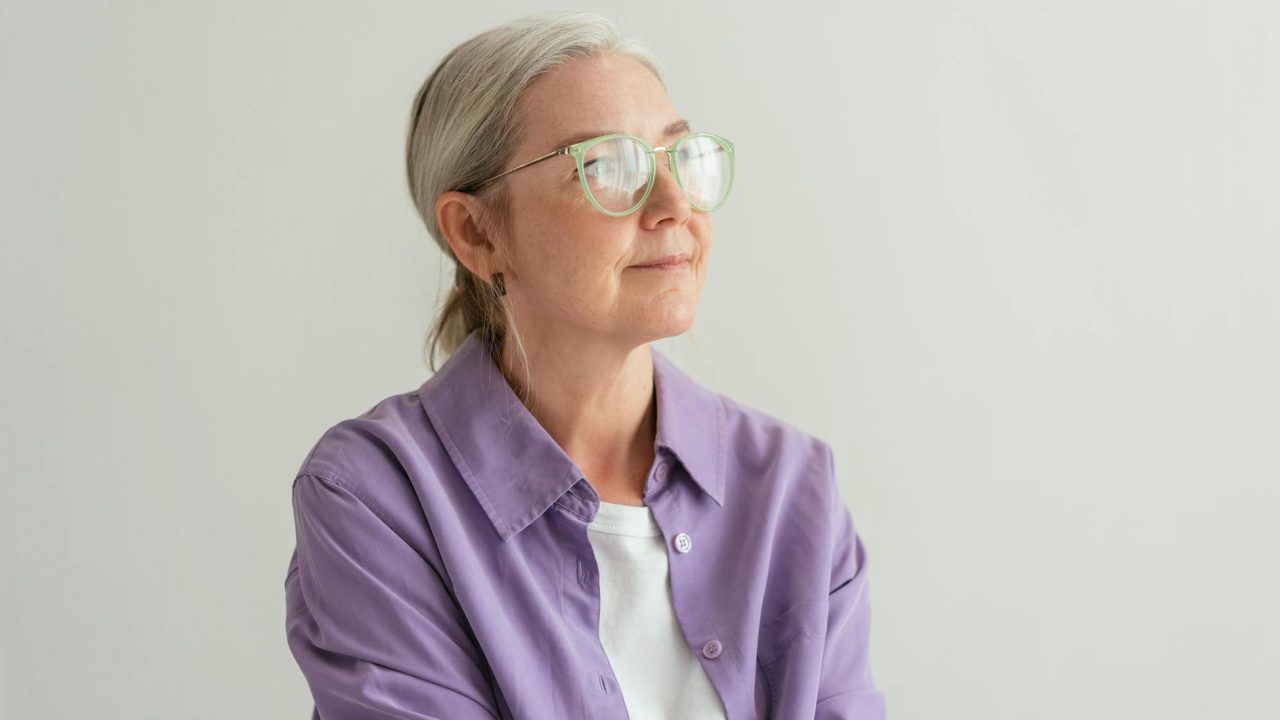
At 67, retired teacher Eleanor watched her phone buzz with another group chat notification. Twenty-three unread messages about a neighborhood potluck she had no intention of attending. She turned the phone face down and returned to her book, feeling not guilt, but relief.
“I used to think something was wrong with me,” she told her daughter later that week. “But I’ve never been happier with just a few close friends who really matter.”
Eleanor isn’t alone, and she certainly isn’t antisocial. She’s part of a growing understanding in psychology that challenges our assumptions about social behavior as we age.
The Science Behind Shrinking Social Circles
Research consistently shows that people naturally reduce their social networks as they get older, but not for the reasons you might think. It’s not about becoming grumpy, isolated, or antisocial. Instead, it’s about emotional intelligence and energy management reaching their peak.
Psychologists call this phenomenon “socioemotional selectivity theory.” As people become more aware of their limited time and energy, they instinctively prioritize relationships that provide genuine emotional fulfillment over those that merely fill social obligations.
When you realize your energy is finite, you stop wasting it on people who drain rather than sustain you. It’s not antisocial—it’s smart.
— Dr. Laura Carstensen, Stanford Center on Longevity
The shift isn’t sudden. Most people begin noticing it in their 40s and 50s, when maintaining surface-level friendships starts feeling more exhausting than rewarding. The constant texting, obligatory social events, and conversations that never go deeper than weather reports begin to feel hollow.
What’s fascinating is that this selectivity actually improves emotional well-being. Studies show that older adults with smaller, closer social circles report higher life satisfaction than those maintaining large networks of acquaintances.
Why Shallow Relationships Become Expensive
Think about the last time you attended a social gathering where you knew you’d spend two hours making small talk with people you see twice a year. How did you feel afterward? Energized or drained?
Shallow relationships require significant emotional labor with minimal return on investment. Here’s what maintaining surface-level connections actually costs:
- Mental energy: Remembering details about people you rarely see deeply
- Time commitment: Hours spent at events that don’t fulfill you
- Emotional labor: Pretending enthusiasm for conversations that bore you
- Financial resources: Gifts, meals, and activities you don’t genuinely want to participate in
- Opportunity cost: Missing chances to deepen meaningful relationships
- Stress accumulation: Managing social calendars filled with obligations rather than joy
The energy required to maintain a dozen casual friendships could be invested in two or three relationships that actually matter. The math becomes obvious as you age.
— Dr. Robin Dunbar, Oxford University
| Shallow Relationships | Deep Relationships |
|---|---|
| High maintenance, low reward | Mutual support and understanding |
| Surface-level conversations | Meaningful dialogue and growth |
| Social obligation focus | Genuine care and concern |
| Drains energy reserves | Provides emotional sustenance |
| Requires constant performance | Accepts authentic self |
The Loneliness Myth and Quality Over Quantity
Society often equates a busy social calendar with happiness and mental health. We’re told that isolation leads to depression, that we need broad social networks to thrive. But this misses a crucial distinction between loneliness and solitude.
Loneliness occurs when there’s a gap between the social connections you want and those you have. Someone with fifty acquaintances can feel profoundly lonely, while someone with three close friends feels completely fulfilled.
People who consciously choose smaller social circles aren’t experiencing loneliness—they’re experiencing the peace that comes from authentic connection. They’ve learned that being surrounded by people who don’t truly know or understand you is lonelier than being alone.
Quality relationships provide emotional nutrients that quantity never can. Three people who really see you are worth more than thirty who only see your social mask.
— Dr. Sherry Turkle, MIT Technology and Society
This selectivity often puzzles younger family members who worry their older relatives are becoming isolated. But what looks like withdrawal is actually refinement. It’s the difference between a cluttered closet and a curated wardrobe—both serve the function, but one brings daily joy while the other creates daily stress.
What This Means for Your Relationships
Understanding this psychological shift can transform how you view your own social evolution. If you find yourself less interested in large gatherings or group chats, you’re not becoming antisocial. You’re becoming more selective about where you invest your emotional energy.
This doesn’t mean cutting people off rudely or burning bridges. Instead, it means allowing natural distance to occur without guilt. It means saying no to invitations that feel like obligations rather than opportunities.
The people who remain in your inner circle after this natural selection process are your real tribe. They’re the ones who energize rather than drain you, who accept your authentic self rather than requiring a performance.
The friends who survive your increasing selectivity are the ones worth keeping. They’re the relationships that can sustain you through life’s real challenges.
— Dr. William Chopik, Michigan State University
For younger people reading this, don’t wait until you’re exhausted to start being selective. Pay attention to how different relationships make you feel. Notice which social commitments you approach with excitement versus dread.
Your energy is precious. Spending it on people and activities that don’t fulfill you isn’t noble—it’s wasteful. The sooner you learn this lesson, the more time you’ll have to nurture the relationships that truly matter.
FAQs
Is it normal to want fewer friends as I get older?
Yes, this is completely normal and psychologically healthy. Most people naturally become more selective about relationships as they age.
How do I know if a relationship is worth maintaining?
Ask yourself: Does this person energize or drain me? Do our interactions add value to my life? Can I be authentic around them?
Will having fewer friends make me lonely?
Research shows that people with smaller circles of close friends are often happier and less lonely than those with many casual acquaintances.
How do I distance myself from draining relationships without being rude?
Allow natural distance to occur. Respond less frequently, decline invitations politely, and invest your energy in relationships that fulfill you.
What if family members think I’m becoming antisocial?
Explain that you’re choosing quality over quantity in relationships. Share that this selectivity actually improves your mental health and life satisfaction.
Should I feel guilty about letting friendships fade?
No. Relationships naturally evolve, and it’s healthy to let go of connections that no longer serve you or the other person well.