
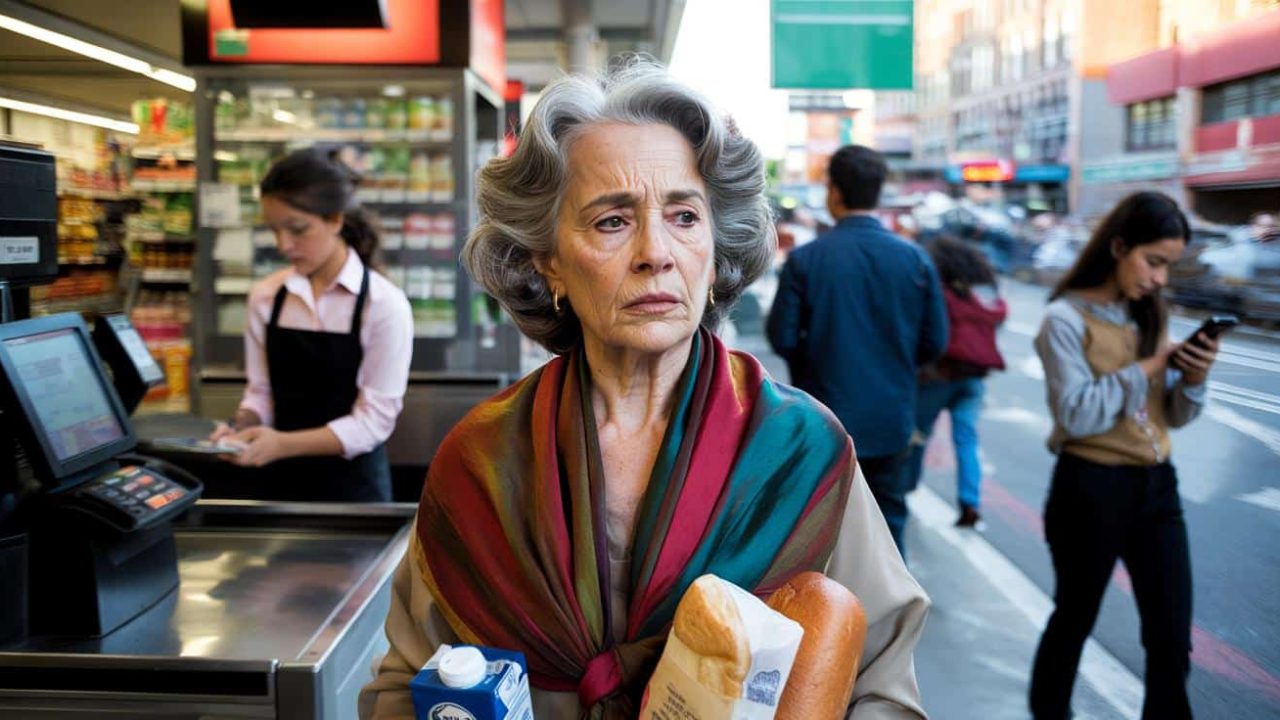
Evelyn watched the young barista’s eyes glaze over as she carefully counted out exact change at the coffee counter. The twenty-something woman tapped her fingers impatiently, then looked right through her as if she weren’t there at all. “Next!” she called out before Evelyn had even finished gathering her receipt.
Walking to a corner table, Evelyn felt that familiar sting she’d grown to know too well since turning 65. It wasn’t anger exactly—more like a hollow ache of being erased from the world she’d once moved through so confidently.
She’s not alone. Millions of older adults across the country describe feeling invisible in public spaces, and the emotional toll runs deeper than most people realize.
The Psychology Behind Feeling Invisible
When we talk about feeling invisible at 65 and beyond, we’re describing a complex emotional experience that combines societal ageism with personal identity shifts. It’s not just about being ignored—it’s about feeling like your voice, your presence, and your worth have somehow diminished in the eyes of others.
Dr. Linda Martinez, a geriatric psychologist, explains it this way:
“Invisibility isn’t just about being overlooked. It’s about sensing that society has decided you’re no longer relevant, productive, or interesting. That cuts to the core of who we are as human beings.”
— Dr. Linda Martinez, Geriatric Psychologist
This feeling typically emerges gradually. You might notice servers at restaurants addressing your adult children instead of you when taking orders. Store clerks might speak more slowly or loudly, assuming cognitive decline. Younger people in conversations might dismiss your opinions or interrupt more frequently.
The emotional impact compounds over time. What starts as occasional slights becomes a pattern that reshapes how you see yourself and your place in the world.
Where Invisibility Shows Up Most
The experience of feeling invisible isn’t random—it happens in predictable places and situations. Understanding these patterns helps explain why the feeling is so universal among older adults.
| Location/Situation | Common Experience | Emotional Impact |
|---|---|---|
| Retail stores | Being ignored by sales staff or treated as incapable | Frustration, diminished self-worth |
| Restaurants | Servers speaking to younger companions instead | Feeling dismissed, infantilized |
| Workplace (if still employed) | Ideas overlooked, excluded from projects | Professional inadequacy |
| Medical settings | Doctors rushing through appointments | Health anxiety, feeling unheard |
| Public transportation | People avoiding eye contact or conversation | Social isolation |
| Social gatherings | Being talked over or conversations shifting away | Loneliness, social withdrawal |
Technology plays a role too. In our increasingly digital world, older adults often feel left behind when:
- Restaurants only offer QR code menus
- Stores push app-only deals and discounts
- Customer service moves primarily online
- Social interactions happen more through screens than face-to-face
These shifts aren’t just inconvenient—they send a subtle message that older adults aren’t the intended audience for modern life.
The Deeper Emotional Roots
Feeling invisible at 65 often connects to broader changes happening in your life. Retirement can strip away professional identity. Physical changes might affect confidence. Adult children leading independent lives can shift family dynamics.
Social psychologist Dr. Robert Chen has studied this phenomenon extensively:
“We live in a youth-obsessed culture that equates aging with decline. Older adults internalize these messages and begin to see themselves through that same lens of irrelevance.”
— Dr. Robert Chen, Social Psychologist
The feeling also stems from loss of roles that once defined you. If you were “the expert” at work, “the organizer” in your friend group, or “the decision-maker” in your family, aging can gradually shift these identities to others.
Media representation reinforces invisibility too. Older adults are underrepresented in advertisements, movies, and television shows. When they do appear, they’re often portrayed as frail, confused, or burdensome rather than vibrant and capable.
Breaking Through the Invisible Barrier
The good news is that feeling invisible doesn’t have to be permanent. Many older adults find ways to reclaim their presence and voice in the world.
Some strategies that work include:
- Assertive communication: Speaking up clearly and confidently in interactions
- Seeking age-inclusive spaces: Finding communities and businesses that welcome older adults
- Mentoring younger people: Sharing expertise and experience in formal or informal settings
- Staying current: Learning new technologies and staying informed about contemporary issues
- Physical presence: Maintaining good posture, eye contact, and confident body language
- Advocacy: Speaking out about ageism when you encounter it
Community involvement makes a significant difference. Volunteering, joining clubs, or participating in local government gives you spaces where your voice and experience are valued.
“The most empowered older adults I work with have found their tribes—communities where their age is seen as an asset, not a liability.”
— Maria Rodriguez, Senior Services Director
Professional counseling can help too, especially when invisibility feelings lead to depression or social withdrawal. Therapists specializing in aging issues understand these unique challenges.
What Society Can Do Better
Individual action helps, but systemic change is needed too. Businesses, healthcare systems, and communities can take steps to combat ageism and make older adults feel seen and valued.
Progressive companies are training staff on age-inclusive customer service. Healthcare systems are extending appointment times and improving communication with older patients. Some cities are creating age-friendly initiatives that consider older adults in urban planning.
“When we design spaces and services with older adults in mind from the beginning, everyone benefits. It’s not just about accommodation—it’s about inclusion.”
— James Patterson, Age-Friendly Community Consultant
The invisibility epidemic affects millions of older adults, but it’s not inevitable. With awareness, advocacy, and intentional action from individuals and society, we can create a world where aging doesn’t mean disappearing.
Your voice matters at 65, 75, 85, and beyond. The challenge is making sure the world remembers to listen.
FAQs
Why do I feel invisible now that I’m older?
Feeling invisible stems from ageism in society, loss of familiar roles, and cultural messages that devalue aging. It’s a common experience, not a personal failing.
Is feeling invisible a sign of depression?
While feeling invisible can contribute to depression, it’s often a normal response to ageist treatment. However, if these feelings persist or worsen, talking to a counselor can help.
How can I make myself more visible in public?
Speak up confidently, maintain good eye contact, dress in ways that make you feel confident, and don’t hesitate to assert yourself in conversations and interactions.
Do men and women experience invisibility differently?
Research suggests women often feel invisible earlier due to appearance-based ageism, while men may experience it more in professional settings after retirement.
Can staying active prevent feeling invisible?
Physical, social, and mental activity can boost confidence and provide opportunities for meaningful interaction, which helps combat invisibility feelings.
What should I do if businesses treat me poorly because of my age?
Speak up in the moment when comfortable, leave reviews mentioning age-inclusive service, and support businesses that treat older customers well.