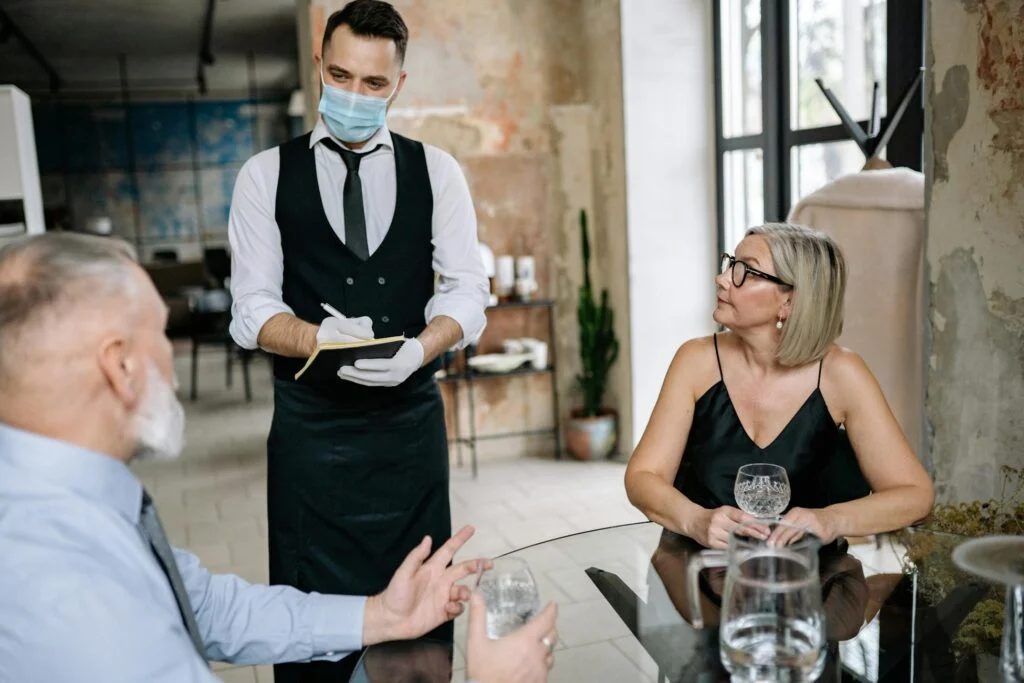
The waiter had barely finished taking our order when I heard myself saying it: “I’m so sorry, could I actually change that to the salmon instead? I’m really sorry for the trouble.” My friend Zara looked at me with raised eyebrows as I continued apologizing to our server, who seemed completely unbothered by a simple menu change.

It wasn’t until I was driving home that night that the realization hit me like a freight train. I sounded exactly like my mother. The same apologetic tone, the same unnecessary “sorrys” peppered throughout perfectly normal interactions. I had inherited something I never even realized was being passed down.
That moment in the restaurant opened my eyes to a pattern that had been decades in the making. I started paying attention to how often I apologized – for asking questions, for existing in spaces, for having preferences, for breathing too loudly. It was constant, automatic, and completely learned.

The Apology Inheritance: How Sorry Becomes a Family Legacy
Excessive apologizing isn’t just a quirky personality trait – it’s often a learned behavior that gets passed down through generations, particularly from mothers to daughters. This phenomenon, sometimes called “sorry syndrome,” affects millions of people who find themselves apologizing for things that don’t warrant an apology.
The roots of chronic apologizing usually trace back to childhood observations. When we watch our parents navigate the world, we absorb their coping mechanisms, their social strategies, and yes, their apologies. For many women especially, apologizing becomes a way to take up less space, avoid conflict, and maintain harmony – even at the cost of their own confidence.

When children see a parent constantly apologizing for normal human behavior, they learn that existing fully in the world is somehow wrong or burdensome.
— Dr. Michelle Torres, behavioral psychologist

The cycle perpetuates because the apologizing parent rarely realizes they’re modeling this behavior. They’re simply trying to be polite, considerate, or avoid confrontation. But children don’t distinguish between appropriate apologies and unnecessary ones – they just absorb the pattern.
Breaking Down the Sorry Syndrome: What We’re Really Apologizing For
Understanding excessive apologizing requires looking at what we’re actually saying sorry for. Most chronic apologizers aren’t apologizing for genuine mistakes or harm caused. Instead, they’re apologizing for fundamental aspects of human existence.
Here’s what excessive apologizers commonly say sorry for:
- Having opinions or preferences
- Taking up physical space
- Asking questions or requesting clarification
- Other people’s mistakes or inconveniences
- Weather, traffic, or circumstances beyond their control
- Expressing emotions or needs
- Speaking up in conversations
- Making normal requests
| Situation | Unnecessary Apology | Better Response |
|---|---|---|
| Ordering at restaurant | “Sorry, could I get the dressing on the side?” | “Could I get the dressing on the side, please?” |
| Asking for help | “Sorry to bother you, but could you help me?” | “Could you help me with this when you have a moment?” |
| Someone bumps into you | “Oh, sorry!” | “Excuse me” or no response needed |
| Disagreeing with an idea | “Sorry, but I think differently” | “I have a different perspective on this” |
The word ‘sorry’ loses all meaning when it’s used as punctuation instead of a genuine expression of regret.
— Dr. James Richardson, communication specialist
The Hidden Cost of Inherited Apologies
Chronic apologizing might seem harmless, but it carries significant psychological and social costs. When we constantly apologize for normal behavior, we’re essentially training ourselves and others to see our presence as problematic.
This pattern affects self-esteem in profound ways. Each unnecessary apology reinforces the belief that we’re somehow in the way, too much, or inherently problematic. Over time, this erodes confidence and makes it harder to advocate for ourselves in important situations.
Professionally, excessive apologizing can be particularly damaging. It undermines authority, makes others question our competence, and can limit career advancement. When we apologize for having ideas, asking questions, or taking up space, we signal that our contributions are less valuable.
I’ve watched brilliant women apologize their way out of promotions and opportunities, simply because they couldn’t present their achievements without prefacing them with ‘sorry.’
— Sandra Kim, executive coach
The interpersonal effects are equally significant. Constant apologizing can frustrate others, create awkward social dynamics, and prevent authentic communication. Friends and family members often don’t know how to respond to apologies that feel unnecessary or excessive.
Recognizing the Pattern: Signs You’ve Inherited Sorry Syndrome
Breaking the cycle starts with recognition. Many people don’t realize how often they apologize until they start paying attention. The behavior becomes so automatic that it operates below conscious awareness.
Common signs include apologizing before expressing opinions, saying sorry when others make mistakes, apologizing for natural bodily functions like coughing or sneezing, and feeling guilty about taking up space or time.
Physical cues often accompany excessive apologizing: shrinking body language, speaking more softly, avoiding eye contact, and generally trying to minimize one’s presence. These behaviors work together to communicate that we believe we’re somehow problematic.
Breaking Free: Practical Steps to Stop the Apology Cycle
Change starts with awareness, but it requires consistent practice to overcome decades of conditioning. The goal isn’t to never apologize – genuine apologies for actual mistakes remain important. The objective is learning to distinguish between necessary and unnecessary apologies.
Start by tracking your apologies for a week. Notice when, why, and to whom you apologize. This awareness alone often reduces the frequency significantly. Many people are shocked to discover they apologize dozens of times per day for things that don’t warrant apologies.
Practice replacement phrases. Instead of “Sorry to bother you,” try “Thank you for your time.” Instead of “Sorry, but I disagree,” try “I see it differently.” These alternatives maintain politeness without unnecessary self-diminishment.
The most powerful thing my clients learn is that they can be polite and considerate without constantly apologizing for their existence.
— Dr. Patricia Valdez, therapist
Set boundaries around apologies. Decide that you’ll only apologize for genuine mistakes or when you’ve actually caused harm. This creates a clear standard that helps break automatic apologizing patterns.
FAQs
Is excessive apologizing more common in women?
Research suggests women do apologize more frequently than men, often due to socialization patterns that emphasize accommodation and conflict avoidance.
Can chronic apologizing be completely unlearned?
Yes, with consistent awareness and practice, people can significantly reduce unnecessary apologizing and develop more confident communication patterns.
How do I explain to others that I’m trying to apologize less?
You don’t need to announce it, but if someone notices, simply explain that you’re working on being more direct and confident in your communication.
What if I feel rude when I don’t apologize?
This discomfort is normal and temporary. Politeness doesn’t require apologies – “please,” “thank you,” and respectful tone accomplish the same goals.
How can I avoid passing this pattern to my children?
Model appropriate apologizing by only saying sorry for genuine mistakes, and help children distinguish between times when apologies are and aren’t necessary.
What’s the difference between being polite and over-apologizing?
Politeness involves courtesy and consideration; over-apologizing involves taking responsibility for things beyond your control or apologizing for normal human behavior.
Leave a Reply