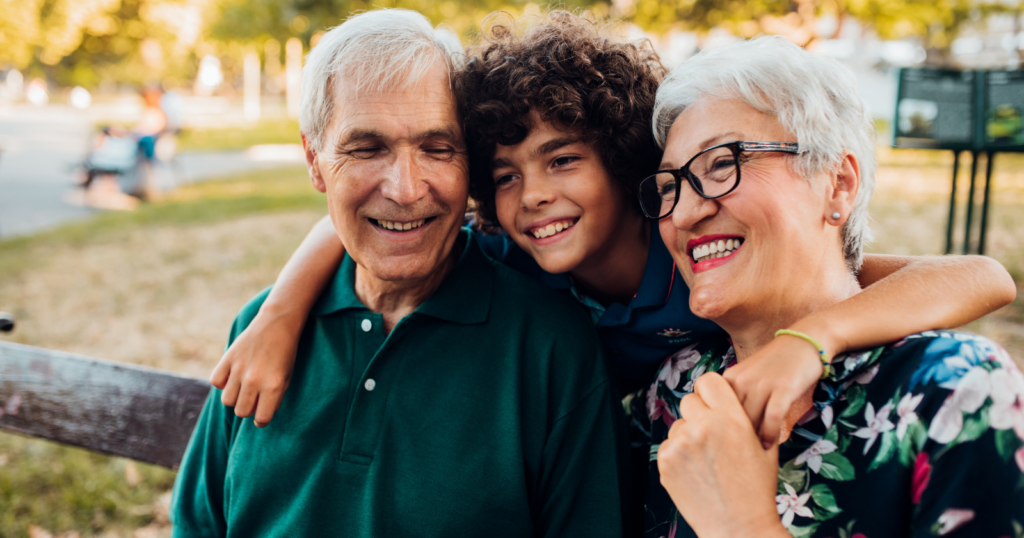
Evelyn watched her eight-year-old grandson Quinn excitedly explain his elaborate Lego spaceship design, complete with escape pods and a secret laboratory. While other adults might have nodded politely and changed the subject, she leaned in closer, asking detailed questions about the ship’s mission and crew quarters. For the next hour, Quinn felt like the most fascinating person on Earth.

That simple moment of genuine interest created a bond that would last decades—one built not on toys or treats, but on something far more powerful: feeling truly seen and heard.
New research in developmental psychology reveals a surprising truth about grandparent-grandchild relationships. The grandparents who forge the strongest, most lasting connections aren’t necessarily the ones with the biggest toy budgets or the most permissive rules.

The Secret to Unbreakable Grandparent Bonds
Psychology shows us that children crave authentic attention more than material gifts. When grandparents make their grandchildren feel like the most interesting people in the room, they’re meeting a fundamental human need that goes far beyond temporary excitement from a new toy.
This focused attention triggers something profound in a child’s developing brain. They begin to associate their grandparent with feelings of importance, validation, and unconditional interest in who they are as individuals.

Children remember how you made them feel long after they’ve forgotten what you bought them. When grandparents show genuine fascination with a child’s thoughts and ideas, they’re building emotional scaffolding that supports the relationship for life.
— Dr. Patricia Chen, Child Development Specialist

Unlike the temporary sugar rush of being spoiled, feeling genuinely interesting creates lasting self-esteem and trust. Children learn they have value beyond what they can receive—they matter for who they are.
This approach also teaches children how healthy relationships should feel. They internalize the experience of being listened to and valued, carrying these expectations into future friendships and romantic partnerships.

What Makes Kids Feel Truly Fascinating
The behaviors that create these deep bonds might surprise you. They’re often simple, everyday actions that cost nothing but mean everything.
Active Listening Techniques That Work:
- Asking follow-up questions about their stories and ideas
- Remembering details from previous conversations
- Making eye contact and putting away phones during interactions
- Reflecting back what they’ve said to show understanding
- Expressing genuine curiosity about their perspectives
Ways to Show Interest in Their World:
- Learning about their favorite games, shows, or hobbies
- Asking for their opinions on age-appropriate topics
- Encouraging them to teach you something new
- Celebrating their unique personality traits and quirks
- Taking photos of their artwork or projects
| Spoiling Behaviors | Interest-Building Behaviors | Long-term Impact |
|---|---|---|
| Buying expensive gifts | Asking about their dreams | Builds self-worth vs. materialism |
| Saying yes to everything | Listening to their problems | Teaches boundaries vs. entitlement |
| Doing everything for them | Encouraging independence | Builds confidence vs. dependence |
| Constant entertainment | Meaningful conversations | Develops depth vs. need for stimulation |
I’ve seen grandparents transform their relationships simply by shifting from ‘What can I give you?’ to ‘What do you think about this?’ The change in the child’s engagement is immediate and remarkable.
— Marcus Rodriguez, Family Therapist
The Science Behind Feeling Special
Neuroscience research shows that when children feel genuinely interesting to adults, their brains release oxytocin—the same hormone associated with bonding and trust. This creates positive neural pathways that strengthen over time.
Children who experience this type of attention show increased confidence in social situations and better communication skills. They’re more likely to share problems and seek advice from these grandparents as they grow older.
The impact extends beyond the immediate relationship. Kids who feel fascinating to their grandparents often develop stronger self-advocacy skills and are more comfortable expressing their authentic selves in various relationships.
When we make children feel inherently interesting, we’re essentially telling them their thoughts and feelings have value. This message becomes part of their core identity and influences how they see themselves throughout life.
— Dr. Amanda Foster, Developmental Psychologist
Why This Matters More Than Ever
In our digital age, children are bombarded with distractions and often struggle to maintain deep conversations with adults. Many kids report feeling like adults are always busy or distracted by their phones.
Grandparents who offer focused, genuine attention stand out dramatically in this environment. They become safe havens where children can slow down and feel truly heard.
This approach also helps bridge generational gaps. When grandparents show authentic interest in their grandchildren’s modern world—from video games to social media trends—they create connections across decades of cultural change.
The benefits flow both ways. Grandparents who engage deeply with their grandchildren report feeling more energized and connected to contemporary life. They gain fresh perspectives while sharing their wisdom and experience.
The grandparents I work with who focus on making their grandchildren feel interesting consistently report stronger relationships and more meaningful visits. It’s a complete game-changer for family dynamics.
— Jennifer Liu, Licensed Clinical Social Worker
These relationships often become the most treasured memories for both generations. Children grow up knowing they had at least one adult who was completely fascinated by who they were becoming.
Building Interest-Based Connections
Creating these bonds doesn’t require special training or expensive activities. It starts with shifting your mindset from entertaining to engaging, from giving to receiving their thoughts and ideas.
The goal isn’t to become their best friend or replace parental authority. Instead, it’s about becoming the adult who sees and celebrates their unique personality, interests, and potential.
This approach creates grandchildren who genuinely want to spend time with their grandparents, not just for what they might receive, but for how they feel when they’re together.
FAQs
How do I show interest without seeming fake or forced?
Start with genuine curiosity about one thing they mentioned and ask natural follow-up questions. Kids can tell when interest is authentic.
What if my grandchild seems uninterested in talking?
Try engaging with activities they enjoy first, then gradually work in questions. Sometimes kids open up more when their hands are busy.
Can I still give gifts while focusing on making them feel interesting?
Absolutely! The key is balancing material gifts with the gift of your attention and making sure they don’t feel valued only for what they receive.
How does this work with teenagers who seem to want nothing to do with adults?
Teens especially crave being seen as interesting and mature. Ask for their opinions on current events or trends they’re passionate about.
What if I don’t understand their interests like video games or social media?
Ask them to teach you! Kids love being the expert and sharing their knowledge with adults who are genuinely curious to learn.
How do I remember details from our conversations to bring up later?
Keep a simple journal or notes on your phone about things they’ve shared. Following up on previous conversations shows you truly listened and cared.
Leave a Reply