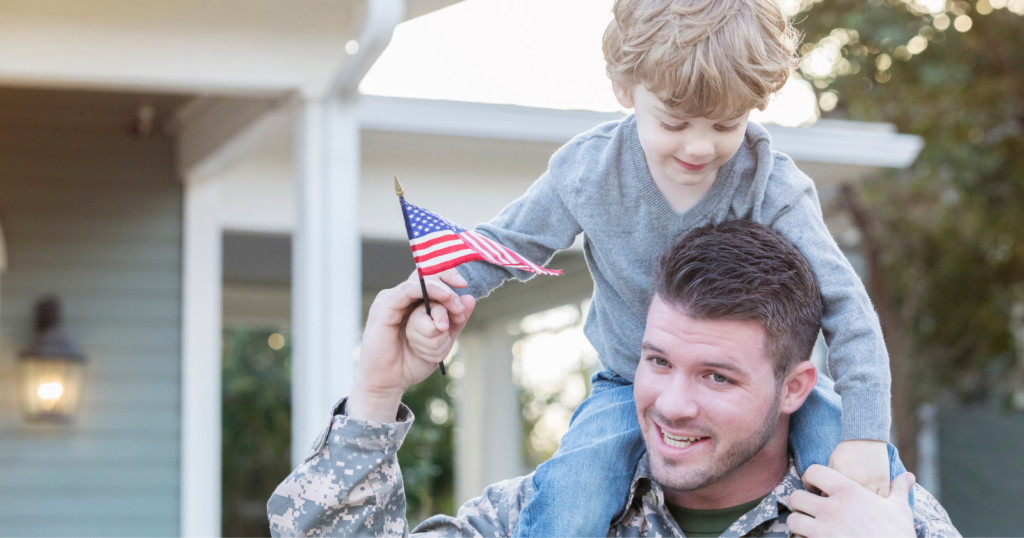
Seventeen-year-old Quinn stood at attention during another base ceremony, watching her father receive a commendation for his years of service. The crowd applauded, and she felt that familiar surge of pride mixed with something else she couldn’t name. Later, walking across the parking lot, she overheard two officers’ wives discussing the “sacrifice these military families make for our freedom.” Quinn nodded along, but a small voice in her head whispered: What about what we sacrificed for your freedom?

It was the first time she’d ever questioned the narrative she’d been fed her entire life.
This moment of awakening isn’t uncommon among military children, though it’s rarely discussed openly. For kids raised in military families, there’s an unspoken expectation that their struggles should be worn like badges of honor, their pain reframed as patriotic duty.

The Hidden Weight of Military Family Mythology
Military children grow up immersed in a culture that transforms their hardships into heroic narratives. Moving every two years isn’t just disruptive—it’s “building resilience.” Having a parent deployed for months isn’t abandonment—it’s “serving something bigger than yourself.” The constant goodbyes, the inability to form lasting friendships, the anxiety of not knowing if your parent will come home—all of it gets packaged as character-building sacrifice.
Dr. Sarah Chen, a family therapist who specializes in military families, explains the psychological impact: “These children learn early that their emotional needs are secondary to a larger mission. They’re taught that questioning their circumstances is almost unpatriotic.”

The military community creates this bubble where a child’s suffering is immediately recontextualized as service. But children need their pain to be acknowledged as pain, not celebrated as patriotism.
— Dr. Sarah Chen, Licensed Family Therapist

The statistics paint a stark picture of what military children actually experience, beyond the sanitized version presented to the public.
What the Numbers Really Tell Us
Research reveals the true cost of growing up in military families, far from the idealized stories of resilience and service.

| Challenge | Military Children | Civilian Children |
|---|---|---|
| Depression rates | 23% | 8% |
| Anxiety disorders | 19% | 7% |
| Academic disruption | 67% | 12% |
| Difficulty maintaining friendships | 78% | 31% |
| Identity confusion in adulthood | 45% | 18% |
Beyond the statistics, military children face unique psychological challenges:
- Emotional suppression: Taught that expressing sadness or anger about military life is selfish
- Premature maturity: Expected to handle adult responsibilities and emotions
- Identity fragmentation: Constantly adapting to new environments prevents solid identity formation
- Hypervigilance: Living with constant uncertainty about family stability
- Guilt about normal emotions: Feeling ashamed for wanting stability or questioning sacrifices
Military kids learn to perform gratitude for experiences that would traumatize other children. They smile through goodbyes that break their hearts because they’ve been told it’s noble.
— Marcus Rodriguez, Military Child Advocate
The Moment the Story Cracks
For many military children, there comes a pivotal moment when they begin questioning who benefits from their family’s sacrifices. This realization often hits during late adolescence or early adulthood, when they’re finally old enough to examine their childhood experiences with adult perspective.
The awakening usually follows a pattern: First, they notice their civilian peers discussing childhood stability as normal, not privileged. Then they realize their “character-building” experiences were actually trauma that other kids never had to endure. Finally, they begin questioning whether their family’s sacrifices truly served the greater good—or primarily served political and economic interests that profited from their pain.
Dr. Michael Torres, who studies military family psychology, notes this pattern: “There’s often a period of anger when military children realize their childhood suffering was commodified. They were told their pain had meaning, but they start wondering if it just had a price tag.”
The hardest part isn’t realizing your childhood was difficult. It’s realizing that difficulty was marketed to you as virtue while others profited from your family’s instability.
— Dr. Michael Torres, Military Family Researcher
Breaking Free From the Narrative
Military children who begin questioning their upbringing often face intense pushback from their communities. Expressing anything less than gratitude for their “unique opportunities” can be seen as betrayal—not just of family, but of country.
This creates a complex healing process. These young adults must simultaneously honor their parents’ genuine service while acknowledging that their own childhood trauma wasn’t automatically noble just because it occurred within a military context.
Many military children struggle with:
- Guilt about criticizing experiences their parents believed were beneficial
- Difficulty forming stable adult relationships due to childhood patterns
- Imposter syndrome when trying to build permanent connections
- Confusion about their own values versus inherited military values
- Anger at being used as propaganda for military recruitment
The path forward often involves therapy, community with other military children who share similar realizations, and the gradual work of separating their identity from the institutional narrative that defined their childhood.
Healing means learning that you can appreciate your parents’ service while still grieving what that service cost you personally. Both things can be true.
— Jennifer Walsh, Military Child Support Group Leader
Recovery isn’t about rejecting military service entirely—it’s about reclaiming the right to define their own experiences honestly, without the filter of institutional messaging that prioritized image over their actual wellbeing.
FAQs
Do all military children struggle with these issues?
Not all, but studies show military children face significantly higher rates of mental health challenges compared to civilian children.
Is it unpatriotic to question military family experiences?
Questioning doesn’t diminish service members’ contributions—it acknowledges that children deserve honest recognition of their struggles.
Can military children have positive experiences too?
Absolutely. Many develop genuine resilience and cultural awareness, but this doesn’t negate the validity of their challenges.
What support exists for military children questioning their upbringing?
Various support groups, specialized therapists, and online communities help military children process their experiences honestly.
How can military families better support their children?
By acknowledging that military life creates real challenges for children and allowing them to express negative feelings without guilt.
Is therapy helpful for adult military children?
Yes, especially therapy that understands both trauma and the unique cultural pressures of military communities.
Leave a Reply