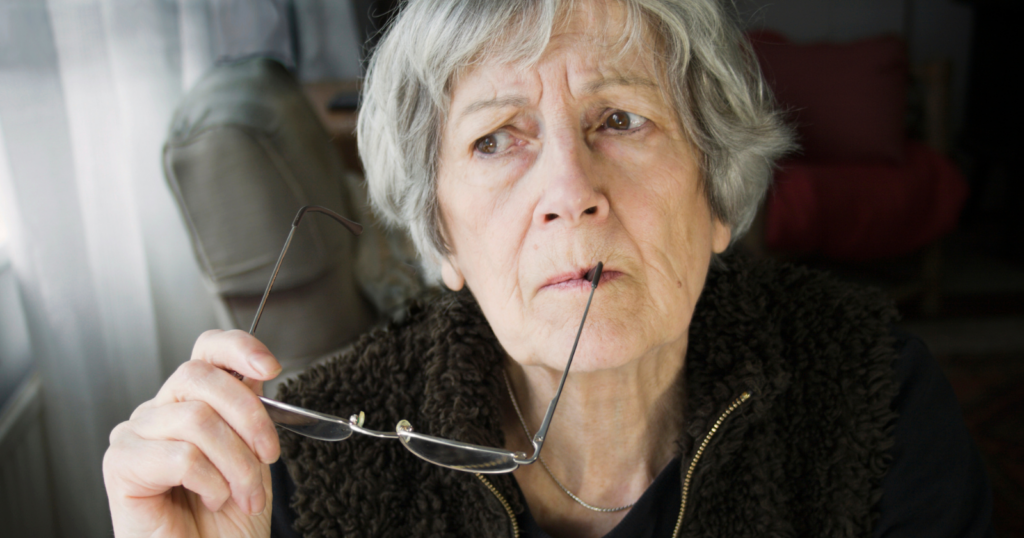
Eleanor sat in her garden at 63, sipping tea and watching the birds. A neighbor waved from across the fence, mentioning a book club she should join. Eleanor smiled politely and declined, just as she had countless times before. It wasn’t that she disliked people—quite the opposite. She’d spent decades being the friend everyone called during their darkest hours, the shoulder everyone cried on, the one who never said no to helping others through their storms.
But somewhere along the way, Eleanor had forgotten what it felt like to receive that same care in return. The idea of forming new friendships felt overwhelming, almost foreign. She wasn’t broken or antisocial—she was simply exhausted from a lifetime of emotional caregiving.
Eleanor’s story isn’t unique. Psychologists are discovering that many people who reach their 60s without close friendships aren’t socially deficient at all. They’re the ones who carried everyone else’s emotional weight for so long that reciprocal friendship started to feel like an alien concept.

The Hidden Psychology Behind Social Withdrawal
Traditional psychology often labels older adults without close friendships as having social deficits or poor relationship skills. But recent research reveals a more nuanced truth: many of these individuals are actually highly skilled at relationships—perhaps too skilled for their own good.
These are the people who became the unofficial therapists in their families and friend groups. They listened without judgment, offered advice without expecting anything back, and absorbed others’ emotional pain as if it were their own responsibility to heal the world around them.

The chronic over-givers often reach a point where they’ve forgotten how to receive care from others. They’ve become so accustomed to one-sided relationships that mutual support feels uncomfortable or even suspicious.
— Dr. Patricia Williams, Clinical Psychologist

The pattern typically develops early in life. Maybe they were the eldest child who had to be responsible beyond their years. Perhaps they grew up in a household where emotional needs went unmet, so they learned to anticipate and fulfill others’ needs instead. Or they might have discovered that being helpful was the most reliable way to feel valued and loved.
The Emotional Toll of Chronic Caregiving
Understanding why some people withdraw from friendships in their later years requires examining the cumulative impact of decades spent in emotionally imbalanced relationships. Here’s what typically happens to chronic emotional caregivers:

| Stage of Life | Typical Experience | Emotional Impact |
|---|---|---|
| Young Adult | Always available for friends’ crises | Feels needed and valuable |
| Middle Age | Supports family, friends, colleagues | Growing exhaustion, less personal time |
| Pre-retirement | Realizes relationships are one-sided | Resentment, emotional depletion |
| 60s and beyond | Withdraws from social connections | Relief mixed with loneliness |
The psychological concept of “emotional labor” helps explain this progression. Emotional labor involves managing not just your own feelings, but actively working to improve others’ emotional states. While this can be rewarding in balanced relationships, chronic emotional laborers rarely experience that balance.
- They become experts at reading others’ moods and needs
- They develop an internal radar for emotional distress in others
- They automatically suppress their own needs to prioritize others
- They lose touch with their own emotional requirements
- They become uncomfortable when others try to help them
After 40 years of being everyone’s go-to person, the idea of asking for help or sharing my problems feels selfish. I know it’s not logical, but that’s how deeply ingrained these patterns become.
— Margaret Chen, Retired Teacher
Why Reciprocal Friendship Becomes Foreign
For people who’ve spent decades in caretaker roles, the basic dynamics of healthy friendship can feel strange and uncomfortable. Reciprocal friendship requires vulnerability, the ability to receive support, and comfort with mutual interdependence—skills that chronic caregivers often lose along the way.
When someone has spent years being the strong one, the helper, the emotional anchor, switching to a more balanced dynamic can trigger anxiety. They might worry about being a burden, fear that their problems aren’t significant enough to share, or simply not know how to articulate their own needs.
There’s also the matter of trust. After experiencing numerous relationships where their emotional investment wasn’t reciprocated, these individuals often develop a protective skepticism about others’ intentions. When someone offers help or support, they might wonder what the person wants in return or when they’ll be expected to resume their caretaker role.
I had one client who described friendship invitations as feeling like job interviews where she was auditioning to be someone’s unpaid therapist again. She’d rather stay home with her books than risk falling into that pattern.
— Dr. James Rodriguez, Geriatric Counselor
The Misunderstood Choice for Solitude
Society often views older adults without close friendships as lonely or antisocial, but many chronic emotional caregivers describe their solitude as peaceful rather than isolating. After decades of managing others’ emotions, they finally have space to explore their own interests, thoughts, and feelings without constant interruption.
This doesn’t mean they’re completely antisocial. Many maintain cordial relationships with neighbors, enjoy brief conversations with acquaintances, or participate in structured activities. What they avoid are the deep, potentially demanding emotional connections that historically left them drained.
Some find fulfillment in relationships with clear boundaries—volunteering where they can help others without the expectation of ongoing emotional availability, or maintaining friendships that center around shared activities rather than emotional support.
There’s a difference between being lonely and being alone. I spent so many years surrounded by people who needed things from me. Now I’m learning who I am when I’m not constantly responding to others’ emotional needs.
— Robert Thompson, Retired Social Worker
For some, this period of social withdrawal becomes a necessary healing phase. They’re not antisocial—they’re recovering from decades of emotional over-extension. Some eventually develop the skills and confidence to form more balanced relationships. Others find contentment in a quieter social life that prioritizes their own well-being.
The key insight from psychology is that reaching your 60s without close friends doesn’t automatically signal social dysfunction. Sometimes it signals someone who gave so much of themselves to others that they need time and space to remember who they are underneath all that caregiving.
FAQs
Is it unhealthy to prefer solitude in your 60s?
Not necessarily. If someone feels content and isn’t experiencing depression or anxiety, preferring solitude can be a healthy choice, especially after years of emotional over-giving.
Can chronic emotional caregivers learn to form balanced friendships?
Yes, with awareness and often professional support, people can learn to set boundaries and engage in more reciprocal relationships.
How can you tell if someone is genuinely content alone or just protecting themselves?
Look for signs of depression, anxiety, or bitterness. Genuinely content people typically maintain some social connections and engage in fulfilling activities.
What causes someone to become a chronic emotional caregiver?
Often childhood experiences, family roles, or early relationships that rewarded over-giving while not modeling healthy boundaries.
Should family members worry about older relatives who seem socially withdrawn?
It’s worth checking in compassionately, but avoid pressuring them into social situations. Sometimes the kindest thing is respecting their choice for a quieter life.
Can therapy help people who struggle with reciprocal relationships?
Absolutely. Therapy can help people recognize patterns, develop boundaries, and gradually learn to receive support from others.
Leave a Reply