
When Beatrice Hawthorne walked into her doctor’s office last month, she carried with her a small leather notebook filled with detailed observations about her neighborhood birds. At 78, she rattled off the migration patterns of local species, recounted conversations from three weeks prior word-for-word, and even corrected her physician on a medical detail from her chart. Her doctor stared in amazement, asking what supplements she took or brain games she played.

“I don’t play brain games,” Beatrice replied with a gentle smile. “I just never stopped paying attention to the world around me.”
Her response reveals a profound truth that psychology researchers have been documenting for decades: the people who maintain razor-sharp memories well into their 70s, 80s, and beyond didn’t stumble upon some magical formula in their golden years. They built their cognitive fortress brick by brick, through decades of active engagement with life itself.

The Compound Interest of Mental Engagement
Think of exceptional memory in older adults like compound interest in a savings account. The dramatic results you see at age 75 aren’t the product of recent deposits—they’re the accumulated wealth of consistent, deliberate mental investments made over 40, 50, or 60 years.
Research consistently shows that individuals with superior cognitive function in their later years share one critical trait: they refused to let their minds coast on autopilot. While many people gradually shift toward passive consumption of information as they age, these mental athletes maintained what psychologists call “active attention” throughout their lives.
The brain is remarkably plastic, but it responds to consistency over intensity. Someone who engages deeply with their environment for decades will vastly outperform someone who starts doing crossword puzzles at 70.
— Dr. Maria Gonzalez, Cognitive Aging Research Center
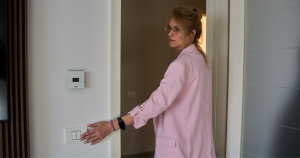
But what exactly does “active attention” look like in practice? It’s not about memorizing phone numbers or doing sudoku puzzles. It’s about approaching daily life with genuine curiosity and engagement rather than going through the motions.
The Building Blocks of Lifelong Memory
The habits that create exceptional memory in later life often look deceptively simple. They’re woven into the fabric of daily existence, making them nearly invisible to casual observers but incredibly powerful in their cumulative effect.
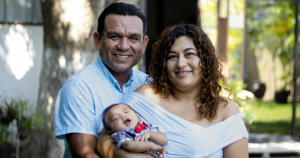
Here are the key behaviors that build cognitive resilience over decades:
- Deep conversations: Regularly engaging in substantive discussions that require active listening and thoughtful responses
- Learning new skills: Continuously acquiring knowledge or abilities, even small ones, throughout life
- Reading with purpose: Not just consuming content, but actively thinking about and discussing what they read
- Teaching others: Explaining concepts or sharing knowledge forces the brain to organize and retain information
- Solving real problems: Tackling actual challenges rather than artificial brain games
- Maintaining curiosity: Asking questions and seeking answers about their environment and experiences
The most striking aspect of these habits is their ordinariness. They don’t require special equipment, expensive programs, or hours of daily practice. They simply require a conscious choice to remain mentally present and engaged.
We see this pattern repeatedly in our longitudinal studies. The 80-year-olds with exceptional memory weren’t doing anything extraordinary in their 40s and 50s—they were just doing ordinary things with extraordinary attention.
— Dr. James Chen, Institute for Cognitive Health
Consider this comparison of daily habits between two groups studied over 30 years:
| Exceptional Memory Group | Average Memory Group |
|---|---|
| Reads news and discusses with others | Watches news passively |
| Learns names of new neighbors | Recognizes faces but doesn’t engage |
| Tries new recipes or hobbies regularly | Sticks to familiar routines |
| Asks questions during conversations | Waits for their turn to speak |
| Takes notes or journals occasionally | Relies entirely on memory |
Why This Matters for Everyone
The implications of this research extend far beyond academic curiosity. Understanding that exceptional cognitive aging is built through decades of engagement offers both hope and responsibility for people of all ages.
For younger adults, it means the daily choice to engage actively with life isn’t just about present satisfaction—it’s an investment in future cognitive health. The 35-year-old who chooses to have meaningful conversations instead of scrolling social media is literally building the neural pathways that will serve them at 75.
For middle-aged individuals, it’s never too late to begin or intensify these practices. While the compound effect is most dramatic over many decades, even 20 or 30 years of active engagement can yield significant cognitive benefits in later life.
The beautiful thing about this research is that it democratizes cognitive health. You don’t need special genes or expensive interventions—you need intentional engagement with life.
— Dr. Sarah Williams, Neuroplasticity Research Lab
Perhaps most importantly, this research challenges our cultural narrative about aging and memory. Instead of viewing cognitive decline as inevitable, we can see it as largely preventable through conscious lifestyle choices made consistently over time.
The Daily Choice That Compounds
Every day presents countless opportunities to choose active engagement over passive consumption. The person who asks their barista about the origin of their coffee beans is exercising the same cognitive muscles that will keep their memory sharp decades later. The individual who learns their Uber driver’s name and asks about their story is making a small but meaningful deposit in their cognitive bank account.
The most successful cognitive agers share one final trait: they view learning and engagement not as work to be completed, but as natural expressions of curiosity about the world around them. This intrinsic motivation sustains their mental activity far longer than any external program or artificial challenge could.
When we interview people with exceptional memory in their 80s, they rarely describe their mental habits as deliberate brain training. They describe them as simply being interested in life.
— Dr. Michael Torres, Center for Successful Aging
The next time you encounter someone like Beatrice, whose mental sharpness at an advanced age seems almost miraculous, remember that you’re witnessing the final chapter of a very long story. The real miracle happened in countless small moments of engagement, attention, and curiosity that accumulated over decades into something that appears extraordinary but was built through the most ordinary human capacity of all: the choice to remain genuinely interested in the world around us.
FAQs
Can I still build exceptional memory if I’m already in my 50s or 60s?
Yes, while the compound effect is strongest over many decades, research shows significant cognitive benefits can still be gained from 20-30 years of active engagement.
Are brain games and puzzles effective for building long-term memory?
Brain games provide limited benefits compared to real-world engagement and learning. Solving actual problems and having meaningful conversations are far more effective.
What’s the difference between active and passive attention?
Active attention involves engaging with information, asking questions, and making connections. Passive attention is simply consuming content without deeper thought or engagement.
Do I need to completely change my lifestyle to build better memory?
No, small changes in how you approach daily activities can make a significant difference. The key is choosing engagement over autopilot in routine situations.
Is it too late if I’ve been mentally passive for years?
It’s never too late to start. The brain remains plastic throughout life, and even beginning active engagement later in life provides cognitive benefits.
What’s the most important factor for maintaining memory with age?
Genuine curiosity and sustained interest in learning new things, whether through conversations, hobbies, or experiences, appears to be the strongest predictor of cognitive health in later life.
Leave a Reply