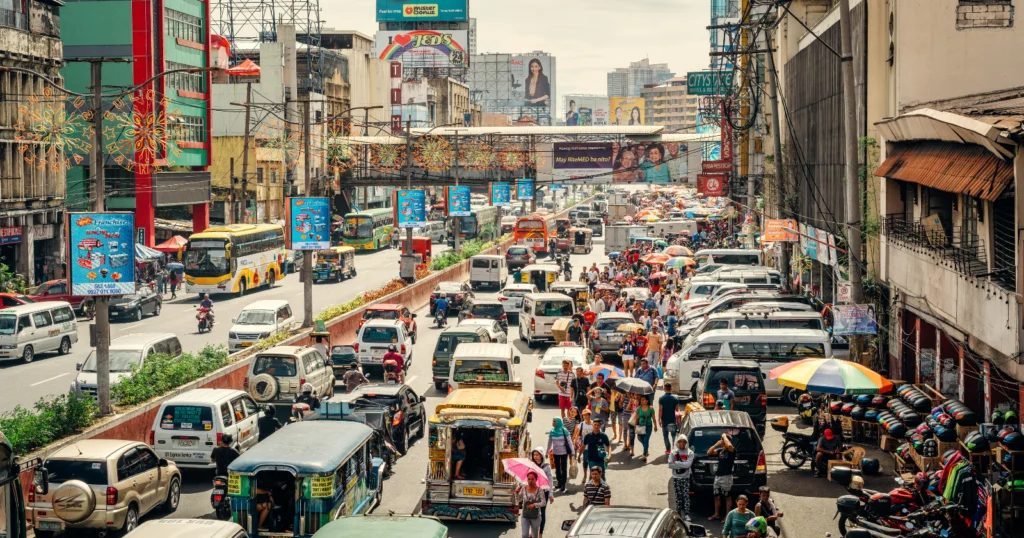
Kamila stares at her phone, switching between English and Tagalog as she explains to her 8-year-old son why Lola can’t just “speak normal” when she visits. Minutes later, she’s on another call with her mother, carefully translating her son’s school achievements while editing out the parts about him refusing to eat rice or learn Filipino songs.

This daily dance happens in millions of homes across America, but nobody talks about the exhausting loneliness that comes with being the family’s cultural bridge. You’re simultaneously too American for your parents and too foreign for your kids, forever explaining both sides to each other while feeling fully understood by neither.
The burden of cultural translation goes far beyond language. You’re interpreting entire worldviews, value systems, and ways of being that often seem incompatible.

The Weight of Two Worlds
Being a cultural translator means living in constant code-switching mode. You’re explaining to your American-born children why respect for elders isn’t just politeness—it’s survival wisdom passed down through generations. Then you’re helping your immigrant parents understand why your teenager’s independence isn’t disrespect, but healthy development in American culture.
The emotional labor is relentless. You’re not just translating words; you’re translating pain, joy, traditions, and dreams across generational and cultural divides that sometimes feel impossibly wide.

The cultural translator carries the weight of preserving heritage while helping their family adapt. It’s beautiful and exhausting in equal measure.
— Dr. Elena Rodriguez, Cultural Psychology Researcher

Every family gathering becomes a performance. You’re simultaneously the dutiful daughter who remembers every Filipino custom and the American mom who explains why your kids don’t automatically kiss every elder’s hand. You translate not just language, but context, intention, and love itself.
The Daily Challenges Nobody Sees
The specific struggles of cultural translation create unique stressors that even close friends might not understand. Here’s what families navigating this experience deal with regularly:

- Medical appointments: Explaining complex diagnoses to parents while helping doctors understand cultural attitudes toward illness
- School events: Bridging the gap between American educational expectations and traditional family values
- Holiday celebrations: Balancing American traditions with maintaining cultural identity
- Financial decisions: Translating different approaches to money, savings, and family obligations
- Dating and relationships: Explaining American dating culture to traditional parents while helping kids understand family expectations
- Career choices: Mediating between traditional “stable” careers and modern professional paths
The statistics tell a story that many families recognize but rarely discuss openly:
| Challenge Area | Percentage of Families Affected | Most Common Age Group |
|---|---|---|
| Language barriers with grandchildren | 73% | Ages 35-45 |
| Educational expectation conflicts | 68% | Ages 30-50 |
| Religious/cultural practice disputes | 61% | Ages 25-40 |
| Career choice disagreements | 55% | Ages 40-55 |
These families are creating something entirely new—a hybrid culture that honors the past while embracing the future. But the person in the middle often feels like they’re failing both sides.
— Maria Santos, Family Therapist
When Your Kids Can’t Connect with Their Heritage
Perhaps the most heartbreaking aspect is watching your children struggle to connect with their grandparents. Your 12-year-old rolls her eyes when Lola tells stories about the Philippines, not because she doesn’t care, but because the cultural context feels foreign despite sharing the same blood.
You find yourself grieving losses that haven’t technically happened yet. Will your kids pass down any Filipino traditions to their children? Will they remember the smell of your mother’s adobo or just that “Mom’s mom cooked weird food”?
The guilt cuts both ways. Your parents worry you’re losing your culture, while you worry your kids are losing their American childhood to too many cultural obligations. You’re disappointing everyone while trying to preserve everything.
Cultural preservation isn’t about perfect transmission. It’s about adaptation and love. Sometimes the bridge itself becomes the new tradition.
— Dr. James Liu, Immigration and Family Studies
The Hidden Emotional Toll
The loneliness of cultural translation shows up in unexpected ways. You’re the family expert on everything from immigration paperwork to parent-teacher conferences, but there’s no one to help you process the emotional weight of constantly mediating between worlds.
Friends who grew up in mono-cultural families don’t understand why you can’t just “be yourself.” Friends from your parents’ generation think you’re overthinking what they see as natural family dynamics. You’re isolated in your specific experience of being perpetually between.
Social media makes it worse. You see perfectly curated posts of families seamlessly blending cultures, and wonder why your reality feels messier, more complicated, more lonely.
The exhaustion is real. Every conversation requires cultural calculation. Every family decision involves multiple worldviews. Every tradition questioned or adapted feels like a small betrayal of someone you love.
The cultural translator needs support too. They’re not just a conduit—they’re a person navigating their own identity while helping everyone else navigate theirs.
— Dr. Ana Reyes, Multicultural Family Counselor
Finding Your Own Identity in the Translation
The path forward isn’t about perfect balance—it’s about recognizing that your role as cultural translator has created something uniquely valuable. You’re not just preserving culture; you’re evolving it. Your children may not speak perfect Tagalog, but they understand empathy across differences in ways their mono-cultural peers might not.
Your parents may not understand every American custom you’ve adopted, but they see their grandchildren thriving in ways they dreamed possible when they first immigrated.
The loneliness is real, but so is the profound gift you’re giving your family. You’re the bridge that makes connection possible, even when it’s imperfect, even when it’s exhausting, even when nobody fully understands the weight you carry.
FAQs
Is it normal to feel guilty about losing cultural traditions?
Absolutely. Most cultural translators experience guilt about both preserving and adapting traditions, but evolution isn’t loss—it’s survival.
How can I help my kids connect with their grandparents despite language barriers?
Focus on shared activities like cooking, music, or games that don’t rely heavily on verbal communication. Connection transcends language.
What if my parents don’t approve of how “American” my kids are becoming?
Remember that successful adaptation was likely their goal in immigrating. Help them see American traits as tools for success, not cultural betrayal.
Should I force my children to learn our heritage language?
Encourage rather than force. Make the language relevant to their lives and interests rather than just an obligation.
How do I deal with feeling like I don’t fully belong to either culture?
Your hybrid identity is valid and valuable. Consider connecting with other cultural translators who share similar experiences.
Is professional counseling helpful for these cultural conflicts?
Yes, especially therapists experienced with multicultural families who understand the unique stressors of cultural translation.
Leave a Reply