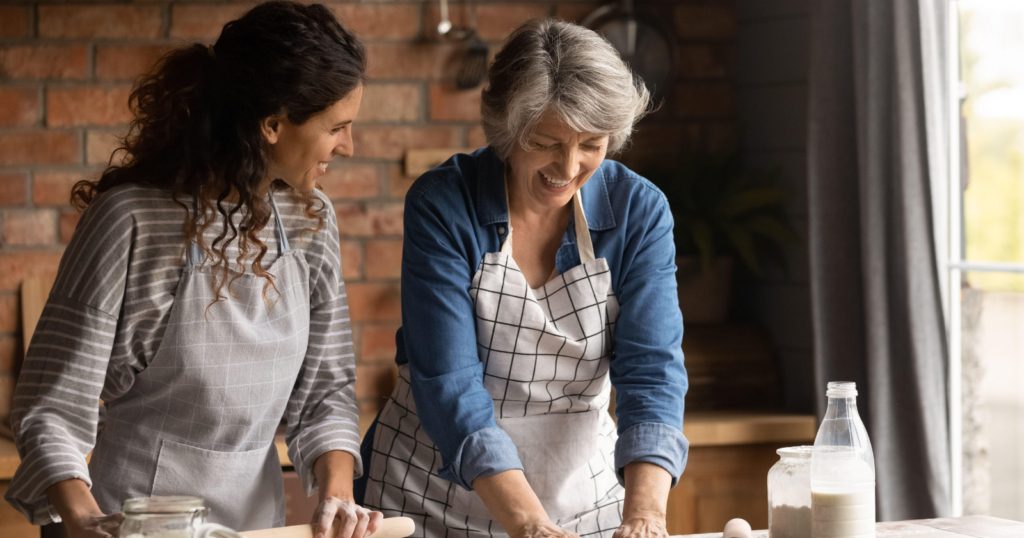
When 73-year-old retired teacher Beatrice Hartwell’s granddaughter offered to help her set up a Facebook account last Christmas, the silence that followed wasn’t hesitation—it was horror. Not at the technology, but at the very idea of reconnecting with a past she’d deliberately left behind.

“I told her I didn’t want to know,” Beatrice recalls. “She looked at me like I’d said I wanted to live in a cave. But there’s something peaceful about not knowing every detail of everyone’s life.”
While most Americans scroll through endless feeds of updates from people they haven’t spoken to in decades, a growing number of older adults are choosing digital disconnection as their preferred way of life. They’re not just avoiding new technology—they’re actively embracing the unknown.

The Last Generation of Digital Holdouts
Living without social media in 2024 isn’t just unusual—it’s practically revolutionary. While 72% of American adults use at least one social media platform, there’s a small but determined group of seniors who’ve never created their first account and have no intention of starting now.
These aren’t people who tried Facebook and quit. They’re individuals who looked at the entire concept of social networking and said “no thank you” from the very beginning. They represent something that younger generations find almost incomprehensible: voluntary disconnection from the digital web that connects nearly everyone else.

The idea that you need to know what happened to every person you’ve ever met is actually quite modern and, frankly, quite strange when you think about it historically.
— Dr. Patricia Chen, Digital Sociology Researcher

For these digital holdouts, the mystery of former colleagues and old friends isn’t a source of anxiety—it’s a choice. They’ve made peace with not knowing who got divorced, who changed careers, or who passed away unless that information reaches them through traditional channels.
What Life Looks Like Without the Digital Safety Net
Living without social media means accepting a different relationship with memory and connection. Here’s what these digital holdouts experience that might surprise younger generations:

- True closure: When relationships end naturally, they actually end, without the temptation to check up on people
- Selective information: News about old friends comes through phone calls, letters, or chance encounters—making it more meaningful
- Present-focused relationships: Energy goes toward maintaining current friendships rather than managing hundreds of weak digital connections
- Privacy by default: Personal information stays personal without conscious effort to maintain privacy settings
- Reduced comparison: No constant exposure to curated highlight reels of other people’s lives
| Social Media Users | Digital Holdouts |
|---|---|
| Know about 300+ acquaintances | Maintain 10-20 close relationships |
| Constant updates on everyone | Meaningful updates on few people |
| FOMO about missing information | Peace with not knowing everything |
| Manage digital presence daily | No online reputation to maintain |
| Reconnect with distant past | Focus on present relationships |
My younger colleagues think I’m missing out, but I think they’re the ones missing out on the beauty of letting some things go.
— Margaret Williams, Retired Librarian
The Horror of the Under-50 Crowd
The reaction from younger generations to this lifestyle choice is often visceral. The idea of not knowing what happened to college roommates or high school classmates strikes many as almost cruel—to themselves and to others who might want to reconnect.
But this horror reveals something interesting about how social media has changed our expectations of human connection. Previous generations regularly lost touch with people and considered it a natural part of life. The digital age has created an expectation that all relationships should be preserved indefinitely, even if they’re reduced to liking each other’s photos once a year.
For digital holdouts, this expectation feels overwhelming rather than comforting. They’ve chosen quality over quantity in their social connections, accepting that some people are meant to be part of specific chapters of life rather than permanent fixtures.
There’s something to be said for the old model where you had to make an effort to stay in touch with someone. It meant the relationships you maintained were the ones that really mattered.
— Dr. Robert Kim, Psychology Professor
The Peace That Comes with Not Knowing
Perhaps the most striking aspect of life without social media is the peace these individuals have found in uncertainty. They don’t lie awake wondering about old friends because they’ve accepted that some questions don’t need answers.
This acceptance extends to bigger questions too. They don’t know who from their past succeeded wildly or struggled deeply, who stayed married or got divorced, who moved across the country or never left their hometown. And they’ve discovered that not knowing these things doesn’t diminish their own life experience.
Instead, it allows them to remember people as they were during their shared time together, without the complexity of watching them age, change, and navigate life’s ups and downs from a distance.
When I think about my old teaching colleagues, I remember them as they were when we worked together. I don’t need to see them dealing with grandchildren’s drama or political arguments to feel connected to that time in my life.
— James Morrison, Retired Principal
A Different Kind of Legacy
These digital holdouts are creating a different kind of legacy—one that exists primarily in the memories of people they actually spent time with rather than in online profiles and photo archives. Their impact on others can’t be measured in likes, shares, or comments.
They’re also modeling an alternative approach to aging in the digital era. While many seniors feel pressure to get online to stay connected with family and friends, these individuals prove that meaningful relationships can be maintained through phone calls, visits, and letters.
Their choice challenges the assumption that digital connection is inherently better than traditional forms of communication. They’ve discovered that having fewer connections often means having deeper ones.
FAQs
Don’t you worry about missing important news about old friends?
Most say that truly important news finds its way to them through mutual friends or family members.
How do you stay in touch with people who live far away?
Phone calls, letters, emails, and occasional visits—the same ways people maintained long-distance relationships for decades before social media.
Don’t you get curious about what happened to people from your past?
Curiosity is natural, but they’ve learned that not every question needs to be answered immediately or at all.
How do your family members feel about your choice to avoid social media?
Reactions vary, but many family members have learned to respect the choice and find other ways to share important updates.
Do you ever feel like you’re missing out on something important?
Most report feeling like they’re gaining something important instead—peace, privacy, and more meaningful connections with people in their daily lives.
Would you ever consider joining social media in the future?
The vast majority say no, viewing their choice as a permanent lifestyle decision rather than a temporary avoidance of technology.
Leave a Reply