
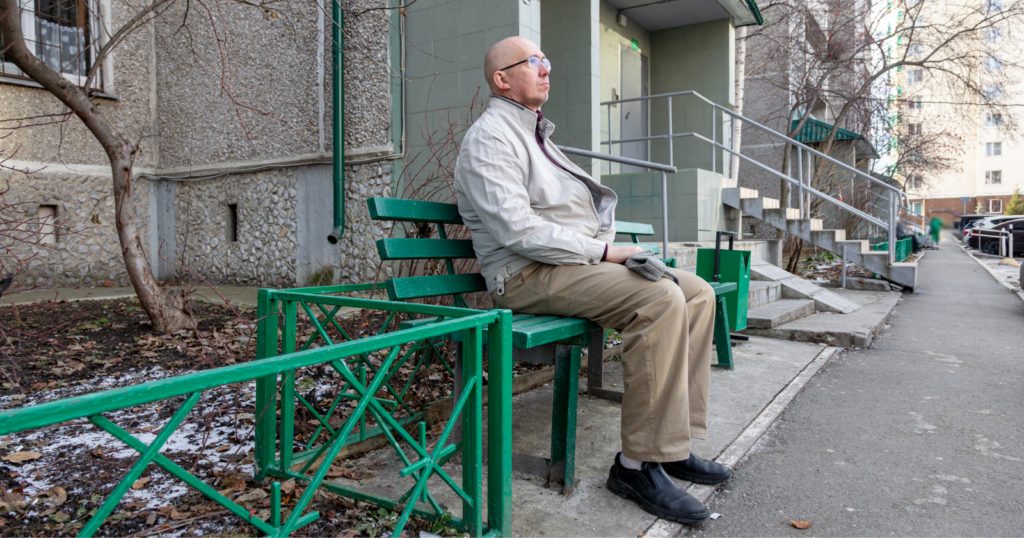
Warren sat in his pickup truck at 2:30 PM on a Tuesday, staring at his perfectly manicured lawn through the windshield. He’d already checked his investment accounts twice that morning—all healthy. The mortgage payment that used to keep him up at night? Gone. His wife Elena was inside, probably reading her book club selection, completely content.

So why did he feel like screaming?
“I thought I’d won,” he later told his neighbor. “I had everything I’d worked thirty years for. But winning felt a lot like losing.”

When the Dream Becomes a Nightmare
Warren’s story isn’t unique. Millions of Americans spend decades chasing retirement—that magical finish line where financial stress disappears and happiness begins. But for many retirees, the reality hits like a cold slap: having money and time doesn’t automatically equal fulfillment.
The transition from a structured work life to open-ended retirement can trigger what psychologists call “retirement syndrome”—a period of depression, anxiety, and existential questioning that affects up to 25% of new retirees, regardless of their financial situation.

Many people define themselves by their work for so long that retirement feels like losing their identity. The question shifts from ‘What do I do?’ to ‘Who am I?’
— Dr. Patricia Morrison, Retirement Psychology Specialist

The problem isn’t just about missing the office. It’s about losing purpose, social connections, and the daily sense of accomplishment that comes from solving problems and contributing to something larger than yourself.
Even financially secure retirees struggle with guilt about their privilege, boredom despite having unlimited free time, and the uncomfortable realization that crossing the finish line doesn’t feel like victory.

The Hidden Costs of “Having It All”
While Warren’s situation might seem enviable, research reveals several common challenges facing financially comfortable retiires:
| Challenge | Impact | Percentage Affected |
|---|---|---|
| Loss of professional identity | Depression, anxiety | 45% |
| Reduced social interaction | Isolation, loneliness | 38% |
| Lack of daily structure | Restlessness, aimlessness | 52% |
| Relationship strain | Marital tension | 28% |
| Survivor guilt | Anxiety about privilege | 22% |
The financial security that should bring peace often creates new pressures. Some retirees feel guilty about their comfort while friends struggle. Others discover that their spouse has different retirement dreams, leading to unexpected conflicts.
- Couples who spent decades focused on earning often don’t know how to spend time together
- The absence of work deadlines can make days feel meaningless
- Social circles shrink when work relationships end
- Physical health may decline without the structure of daily routines
- Mental stimulation decreases without professional challenges
Financial planning is only half the equation. People spend years preparing their portfolios but zero time preparing their purpose.
— Marcus Chen, Certified Financial Planner
What Really Happens After the Gold Watch
The retirement transition typically unfolds in predictable stages, and understanding them can help retirees navigate the emotional turbulence.
The honeymoon phase usually lasts 3-6 months. New retirees enjoy their freedom, catch up on hobbies, and relish not setting alarms. This feels like vacation—because essentially, it is.
Then reality sets in. The disenchantment phase can last months or even years. The novelty wears off, and retirees realize they’re not on vacation—this is their new life. Depression, anxiety, and questioning life choices become common.
Some people get stuck here, but others eventually move into reestablishment, where they create new routines, find meaningful activities, and build a different kind of fulfilling life.
The retirees who thrive are the ones who replace their professional mission with a personal one. They find new ways to feel useful and challenged.
— Dr. Amanda Rodriguez, Gerontologist
For Warren, the breakthrough came when he started volunteering at a local literacy program. “Suddenly I had somewhere to be on Tuesday mornings,” he explained. “I had people counting on me again.”
Building a Life Worth Living
The solution isn’t returning to work—it’s reimagining what a meaningful life looks like without a paycheck driving the decisions.
Successful retirees often share certain strategies. They maintain some structure in their days, even if it’s self-imposed. They cultivate relationships outside of work contexts. They find ways to contribute to their communities that align with their values and interests.
Physical health becomes crucial, not just for longevity but for mental well-being. Regular exercise, social interaction, and mental challenges help combat the depression that can accompany major life transitions.
Retirement isn’t about stopping—it’s about starting something new that matters to you personally rather than professionally.
— Robert Kim, Retirement Life Coach
Some retirees discover passions they never had time to explore. Others double down on relationships that took a backseat during their working years. Many find that volunteer work or part-time consulting gives them the sense of purpose they missed.
The key is recognizing that the adjustment period is normal and temporary. Having money, health, and loving relationships is genuinely fortunate—but it’s still an adjustment that requires intentional effort.
Warren still sits in his truck sometimes, but now it’s because he’s early for his volunteer shift and doesn’t want to seem overeager. The difference is everything.
FAQs
How long does retirement adjustment typically take?
Most people need 6-18 months to fully adjust to retirement, though some may take longer depending on their circumstances and preparation.
Is it normal to feel depressed after retiring?
Yes, retirement depression affects about 25% of new retirees and is considered a normal response to major life changes.
Should I consider going back to work if I’m unhappy in retirement?
Part-time work or consulting can help, but addressing the underlying issues of purpose and structure is usually more effective than returning to full-time employment.
How can I prepare for retirement beyond saving money?
Develop hobbies, maintain friendships outside of work, consider volunteer opportunities, and discuss expectations with your spouse well before retiring.
What if my spouse and I have different retirement dreams?
This is common and requires honest communication, compromise, and possibly professional counseling to navigate successfully.
Is it selfish to feel unhappy when I’m financially secure?
No, emotional well-being isn’t determined by financial status alone, and your feelings are valid regardless of your economic situation.