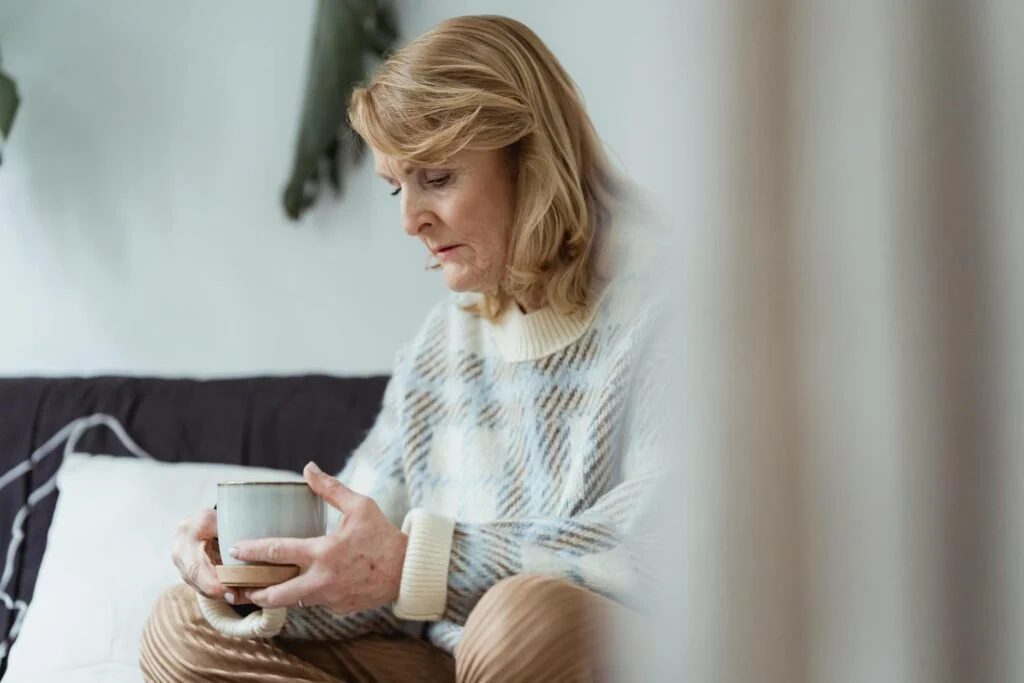
Eleanor sat in her book club meeting last Tuesday, surrounded by twelve familiar faces discussing the latest bestseller. She nodded at all the right moments, laughed when everyone else did, and contributed thoughtful observations about the protagonist’s journey. When the meeting ended, she lingered over coffee and cookies, chatting easily about grandchildren and upcoming travel plans.

Walking to her car afterward, Eleanor felt that familiar hollow ache settling in her chest. Despite being surrounded by people who genuinely enjoyed her company, she realized she could disappear tomorrow and none of them would truly miss the real her—because none of them actually knew who that was.
At 73, Eleanor had mastered the art of being likeable, but somewhere along the way, she’d forgotten how to be truly known.

The Hidden Epidemic Among Successful Social Lives
This profound loneliness isn’t uncommon among older adults who appear to have rich, fulfilling social lives. Mental health professionals are seeing increasing numbers of people in their 60s, 70s, and beyond who report feeling more isolated than ever, despite maintaining active social calendars and strong marriages.
The difference lies in the quality of connection. Having dozens of acquaintances who know your hobbies, your travel stories, and your opinions on current events isn’t the same as having someone who sees your flaws, your fears, and your authentic self—and chooses to love you anyway.

“Many of my older clients describe feeling like they’re performing a version of themselves that everyone likes, but they’ve lost touch with who they really are underneath,” says Dr. Patricia Hendricks, a geriatric psychologist.
— Dr. Patricia Hendricks, Geriatric Psychologist

This type of loneliness often develops gradually over decades. In our 20s and 30s, we might have friends who knew us through messy breakups, career struggles, and personal growth. These relationships were forged in vulnerability and mutual support during formative years.
But as we age, we often prioritize being pleasant and agreeable in social situations. We want to be the person others enjoy being around, so we smooth over our rough edges and present our most palatable selves.

Why Being Likeable Became More Important Than Being Known
The shift toward prioritizing likeability over authenticity often happens without us realizing it. Life experiences teach us that being agreeable opens doors, maintains peace, and keeps relationships running smoothly.
Several factors contribute to this pattern:
- Social conditioning: Generations raised to “keep private matters private” learned to maintain pleasant facades
- Fear of judgment: Revealing struggles or imperfections risks rejection or unwanted advice
- Energy conservation: Authentic relationships require emotional energy that feels increasingly precious
- Changed circumstances: Retirement, empty nesting, or health changes can shift relationship dynamics
- Loss of natural vulnerability: Fewer life crises create opportunities for deeper connection
“When you’re always the ‘together’ person in your social circle, people stop offering you the kind of support that leads to real intimacy,” explains relationship therapist Dr. Michael Chen.
— Dr. Michael Chen, Relationship Therapist
The result is a social life filled with pleasant interactions but lacking the deep satisfaction that comes from being truly seen and accepted.
| Surface-Level Connections | Deep Authentic Relationships |
|---|---|
| Share activities and interests | Share fears and vulnerabilities |
| Discuss current events | Discuss personal struggles |
| Exchange pleasantries | Offer honest feedback |
| Maintain social harmony | Navigate conflict together |
| Present best self | Accept whole self |
The Cost of Letting Deep Connections Slip Away
Many people in their 70s and beyond can pinpoint moments when they chose likeability over authenticity—and inadvertently closed the door on deeper connection. Maybe it was the friend who tried to have a serious conversation about depression, but got deflected with humor. Or the family member who offered support during a difficult time, but was told “everything’s fine.”
These missed opportunities compound over time. The people who might have become close confidants learn that you prefer to keep things light. They stop offering deeper engagement and settle into the pleasant but superficial dynamic you’ve established.
“The tragedy isn’t that people don’t care—it’s that we’ve trained them not to try to get closer,” notes social worker Janet Rodriguez, who specializes in senior mental health.
— Janet Rodriguez, Senior Mental Health Social Worker
This pattern becomes particularly painful when major life transitions occur. Facing health challenges, losing a spouse, or dealing with family difficulties suddenly makes surface-level friendships feel inadequate. But by then, the deeper relationships that could provide meaningful support may no longer be available.
The irony is that many of these friendships had the potential for greater depth. Research shows that people generally appreciate authenticity more than we expect. Our fears about judgment or rejection are often overblown.
Recognizing the Signs of Authentic Connection Hunger
This type of loneliness can be difficult to identify because it coexists with an active social life. Warning signs include:
- Feeling emotionally drained after social gatherings despite enjoying them
- Sensing that friends see you as “having it all together” when you don’t feel that way
- Avoiding conversations about personal challenges or emotions
- Feeling like you can’t be fully honest without changing the mood
- Craving deeper conversations but not knowing how to initiate them
- Feeling replaceable in your social circles
The good news is that it’s never too late to cultivate more authentic connections. Some relationships in your current social circle may be capable of greater depth if you’re willing to take small risks with vulnerability.
“I’ve seen people in their 80s develop the closest friendships of their lives by simply starting to share more honestly about their experiences,” says Dr. Hendricks.
— Dr. Patricia Hendricks, Geriatric Psychologist
Starting this process requires courage but doesn’t demand dramatic changes. Small steps toward authenticity—sharing a genuine concern, admitting when you’re struggling, or asking for advice—can gradually deepen existing relationships.
The goal isn’t to burden every acquaintance with your deepest thoughts, but to identify one or two people who might welcome a more genuine connection. These are often the relationships that already feel slightly different—perhaps someone who’s shared their own vulnerabilities or who seems to see through your social persona.
FAQs
Is it normal to feel lonelier as you get older despite having more social connections?
Yes, this is surprisingly common and reflects a shift in what we need from relationships as we age and gain life experience.
How can I tell if someone wants a deeper friendship?
Look for people who share personal details, ask follow-up questions about your well-being, or seem comfortable with emotional conversations.
What if I try to be more authentic and people pull away?
Some people may not be ready for deeper connection, but this helps you identify who might become a truly close friend versus a pleasant acquaintance.
Is it too late to develop close friendships in my 70s?
Absolutely not—many people form their deepest friendships later in life when they have more time and wisdom to invest in relationships.
How do I start being more vulnerable without oversharing?
Begin with small, genuine moments—admitting when you’re having a tough day or sharing something you’re worried about rather than always saying everything’s fine.
Can a marriage provide this kind of deep connection, or do you need friends too?
While a strong marriage is valuable, most people benefit from having multiple sources of deep connection and understanding in their lives.
Leave a Reply