
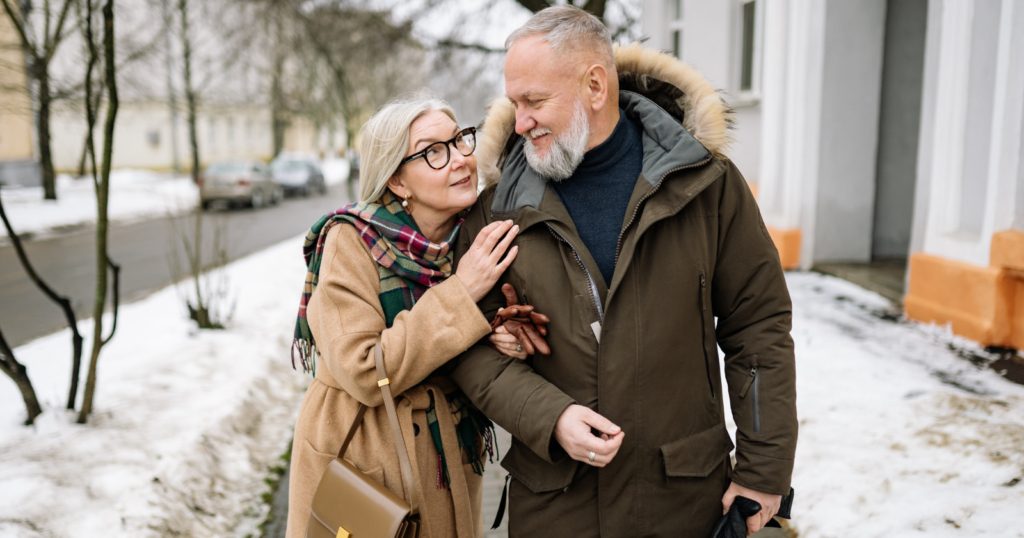
Harold stared at the television remote for what felt like the hundredth time that morning, clicking through channels with no real purpose. When his wife Janet walked into the living room and asked what he missed most about his 40-year career in accounting, his answer came quickly: “Nothing.” But as the words left his mouth, he felt the familiar pang of something he couldn’t quite name.
The truth was more complicated. Harold didn’t miss the stress, the deadlines, or the office politics. What he missed was having somewhere to go that felt important—a reason to leave the house that nobody, including himself, would question.
This quiet struggle affects millions of retirees who discover that the freedom they dreamed of comes with an unexpected side effect: the loss of built-in purpose and social connection that work provided for decades.
The Hidden Challenge of Retirement Freedom
Retirement represents one of life’s biggest transitions, yet many people focus solely on the financial aspects while overlooking the psychological and social changes. After spending 30 to 40 years with structured days, regular social interaction, and clear objectives, retirees often find themselves in an identity crisis.
The issue isn’t about missing work itself—it’s about missing the framework that work provided. Having a place to be, people who expected you, and tasks that mattered to someone else created a sense of belonging that’s hard to replace.
Many retirees tell me they feel guilty about wanting to leave the house without a ‘good reason.’ They’ve internalized the idea that retirement should be about staying home and relaxing, but humans need purpose and connection.
— Dr. Patricia Morse, Geriatric Psychologist
This phenomenon affects both men and women, though it often manifests differently. Men who worked outside the home for decades may struggle more with the sudden loss of daily structure, while women who managed both careers and households might feel overwhelmed by the constant presence of their spouse in their previously organized domestic space.
What Retirees Really Miss About Working
Research shows that the aspects of work people miss most aren’t related to the job itself, but to the social and structural benefits that came with it. Understanding these missing elements can help retirees address them directly.
| What’s Missed | Why It Matters | Potential Solutions |
|---|---|---|
| Daily routine | Provides structure and purpose | Create personal schedules, join clubs |
| Social interaction | Prevents isolation and loneliness | Volunteer work, community groups |
| Sense of importance | Validates self-worth and contribution | Mentoring, consulting, teaching |
| Reason to dress up | Maintains self-respect and dignity | Regular social commitments |
| External validation | Confirms competence and value | Skill-based volunteering |
The most commonly missed elements include:
- Having somewhere important to be each morning
- Regular interaction with colleagues and clients
- The satisfaction of completing meaningful tasks
- A built-in social network that required no effort to maintain
- The excuse to leave home without explanation
- Professional identity and recognition
I hear this all the time: ‘I don’t miss my job, but I miss having a job.’ It’s about the structure and social connections that employment provides, not necessarily the work itself.
— Robert Chen, Retirement Counselor
The Social Isolation Factor
One of the most significant challenges retirees face is the sudden loss of daily social interaction. Work provides what sociologists call “weak ties”—casual but regular social connections that contribute significantly to mental health and well-being.
These workplace relationships didn’t require maintenance outside of work hours, yet they provided daily conversation, shared experiences, and a sense of belonging to a larger community. Without them, many retirees find themselves socially isolated, even when surrounded by family.
The situation becomes more complex when both spouses are retired. Couples who previously enjoyed their time together during evenings and weekends may struggle with constant togetherness. The spouse who worked outside the home may feel like they need “permission” to leave, while the other might feel abandoned or confused by their partner’s restlessness.
Retirement can strain even strong marriages because both partners are adjusting to new roles and expectations. The working spouse loses their external identity, while the home-focused spouse might feel their space is being invaded.
— Dr. Amanda Richardson, Marriage and Family Therapist
Finding New Reasons to Leave the House
The solution isn’t to return to work, but to create new structures that provide similar benefits. Successful retirees often develop what experts call “portfolio lifestyles”—combining various activities that together replace what work once provided.
Volunteering offers one of the most effective ways to regain purpose and social connection. Organizations need experienced volunteers, and the work often feels more meaningful than previous employment because it’s chosen rather than required.
Part-time consulting or teaching allows retirees to use their expertise while maintaining flexibility. Many find that sharing their knowledge with younger people provides the validation and social interaction they miss.
Regular commitments like fitness classes, book clubs, or hobby groups create reasons to leave the house while building new social networks. The key is choosing activities that happen consistently, creating the structure that retirement lacks.
The happiest retirees I know have created their own version of ‘work’—regular commitments that get them out of the house, interacting with others, and contributing to something larger than themselves.
— Dr. Michael Torres, Behavioral Psychologist
Some retirees discover entrepreneurial ventures, starting small businesses or pursuing creative projects they never had time for during their working years. Others find fulfillment in community involvement, joining local government committees or advocacy groups.
Creating Structure Without Stress
The goal is to recreate the positive aspects of work structure without the negative elements like stress, office politics, or inflexible schedules. This requires intentional planning and honest self-reflection about what aspects of working life were truly valuable.
Many successful retiires establish morning routines that mirror their working days—getting up at regular times, dressing purposefully, and having places to go. They schedule social activities, volunteer commitments, and personal projects with the same seriousness they once applied to work meetings.
The transition takes time, and it’s normal to feel lost initially. Retirement represents a major life change that requires adjustment, patience, and often some trial and error to find what works best for each individual situation.
FAQs
Is it normal to feel restless in retirement even when you don’t miss your job?
Absolutely. Missing the structure and social aspects of work while being happy to be done with the job itself is very common among retirees.
How long does it take to adjust to retirement?
Most experts suggest it takes 6 months to 2 years to fully adjust to retirement, depending on how proactive you are about creating new routines and connections.
Should I tell my spouse I need reasons to leave the house?
Yes, honest communication about your needs is essential. Your spouse likely wants you to be happy and may not realize you’re struggling with the adjustment.
What if I can’t afford to volunteer or join expensive clubs?
Many volunteer opportunities are free, and libraries, community centers, and religious organizations often offer low-cost or free activities for seniors.
Is it okay to take a part-time job just for the social interaction?
Many retirees find part-time work fulfilling, especially in different fields from their careers. It’s a valid way to meet social and structure needs.
How do I know if my retirement restlessness is normal or depression?
If feelings of emptiness, sadness, or isolation persist for more than a few weeks, consider speaking with a counselor who specializes in life transitions.