
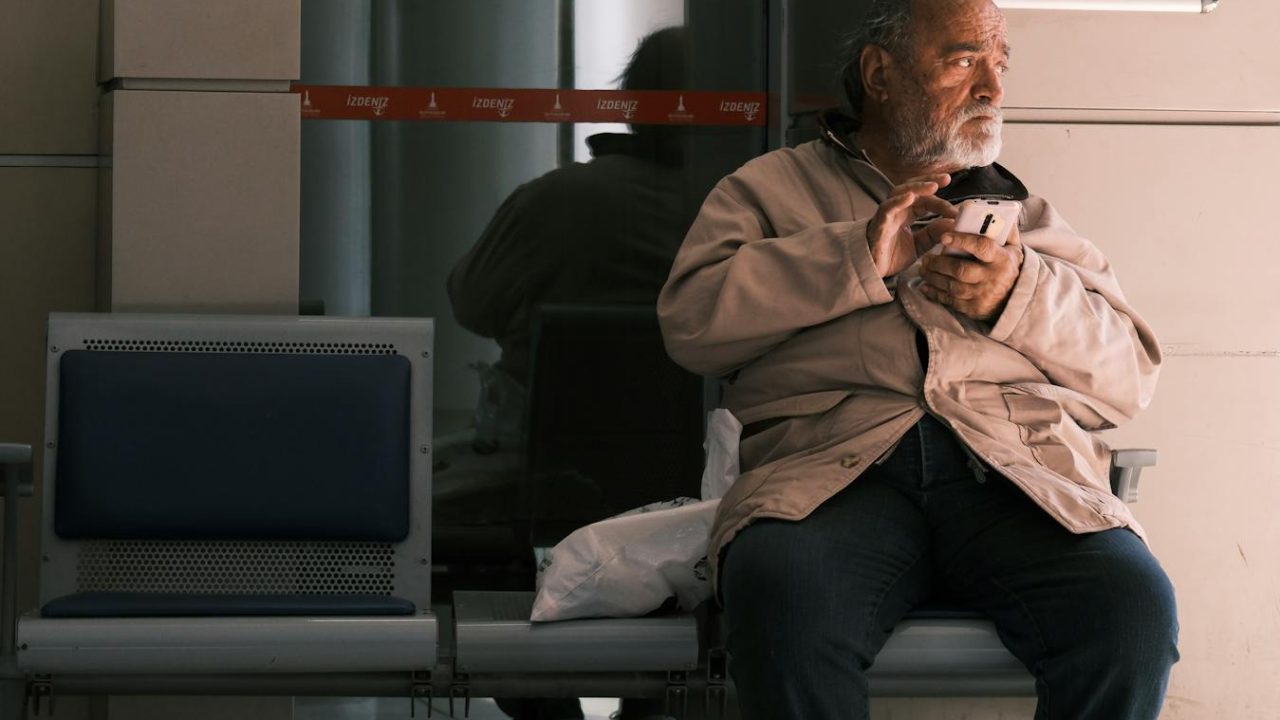
When 78-year-old Eleanor fell in her bathroom at 2 AM, she lay on the cold tile for nearly four hours before managing to pull herself up using the towel rack. Her daughter lived just twenty minutes away. Her son called every Sunday without fail. Yet Eleanor never mentioned the fall to either of them.
“I didn’t want to worry them,” she later explained to a neighbor who noticed her bruised arm. “They have their own lives, their own problems. Why should I add to that?”
Eleanor’s response isn’t unusual—it’s representative of an entire generation’s approach to asking for help. But according to psychology experts, what many adult children interpret as stubborn pride is actually something much deeper and more heartbreaking.
The Hidden Psychology Behind Silent Suffering
For decades, we’ve assumed that aging parents who refuse help are simply too proud to admit they need assistance. New research in developmental psychology suggests we’ve been looking at this all wrong.
The Silent Generation and early Baby Boomers learned a fundamentally different lesson about needing help than younger generations did. They were raised during times when resources were genuinely scarce, when asking for help could mean taking food off someone else’s table or pulling a family member away from their own survival needs.
“This isn’t about pride—it’s about a deeply ingrained belief that needing help makes you a burden rather than creating an opportunity for connection,” says Dr. Patricia Chen, a geriatric psychologist who has studied intergenerational communication patterns for over two decades.
— Dr. Patricia Chen, Geriatric Psychologist
This generation witnessed the Great Depression’s aftermath, lived through rationing during World War II, and built their adult lives during an era when self-reliance wasn’t just valued—it was essential for survival. They learned that strong people handle their own problems, and asking for help was something you did only in absolute emergencies.
The psychological impact runs deeper than simple conditioning. These individuals developed what researchers call “burden-avoidance schemas”—mental frameworks that automatically categorize their needs as impositions on others rather than opportunities for meaningful connection.
Understanding the Generational Divide
The contrast between how different generations view help-seeking is stark and measurable. Consider these key differences:
| Silent Generation/Early Boomers | Gen X/Millennials |
|---|---|
| Help-seeking seen as weakness | Help-seeking seen as normal |
| Independence equals worth | Interdependence builds relationships |
| Problems should be private | Sharing problems creates support |
| Asking for help creates debt/obligation | Asking for help creates connection |
| Family roles are rigid and hierarchical | Family roles are flexible and reciprocal |
These aren’t just philosophical differences—they’re fundamentally different operating systems for how relationships work. When your 82-year-old father insists he can still climb a ladder to clean gutters, he’s not just being stubborn. He’s operating from a worldview where needing help with “his job” makes him less valuable as a family member.
“I see adult children get frustrated and think their parents are being difficult, but the parents genuinely believe they’re being loving by not ‘bothering’ their kids with their problems.”
— Dr. Michael Rodriguez, Family Therapy Specialist
The generational messaging around help was completely different too. Younger generations grew up hearing “It’s okay to ask for help” and “We’re stronger together.” Older generations heard “Don’t be a bother,” “Handle your own problems,” and “Strong people don’t complain.”
The Real-World Consequences
This psychological framework has serious practical implications that extend far beyond hurt feelings or family frustration.
Medical professionals report that older patients frequently minimize symptoms or avoid reporting health concerns because they don’t want to “make a fuss.” This leads to delayed diagnoses, emergency situations that could have been prevented, and more complex medical interventions than would have been necessary with earlier treatment.
The financial implications are equally significant. Seniors may struggle with bills, insurance claims, or financial scams without telling family members who could help navigate these challenges. The isolation compounds the problem—they’re dealing with increasingly complex systems while operating from a framework that says asking for guidance makes them a burden.
“We see this constantly in emergency rooms—older adults coming in with conditions that have been developing for weeks or months, but they didn’t want to ‘bother anyone’ until it became a crisis.”
— Dr. Sarah Kim, Emergency Medicine Physician
Home safety becomes another critical issue. Falls, medication errors, and household accidents often happen because aging parents are attempting tasks they can no longer safely manage alone, but their psychological framework won’t allow them to ask for assistance.
The emotional toll affects the entire family system. Adult children often feel shut out, confused, or hurt by their parents’ reluctance to share struggles. They may interpret this as a lack of trust or closeness, when it’s actually their parents trying to demonstrate love in the only way their generational programming allows.
Building Bridges Across the Generational Gap
Understanding this psychological framework opens up new possibilities for connection and support. The key isn’t convincing older parents that they should need help—it’s reframing help in ways that align with their values and worldview.
Instead of offering help directly, try positioning requests as ways they can help you. “Mom, I’d feel so much better if you’d let me drive you to that appointment” transforms the interaction from them needing help to them helping you feel less worried.
Many families find success in creating regular check-ins that feel like social visits rather than welfare checks. When help emerges naturally from conversation rather than from pointed questions about struggles, it feels less like an admission of inadequacy.
“The most effective approach I’ve seen is when adult children learn to speak their parents’ emotional language—framing assistance as mutual care rather than one-way help.”
— Dr. Jennifer Walsh, Gerontology Researcher
Professional services can sometimes feel more acceptable than family help because they don’t activate the same burden-avoidance responses. Hiring a cleaning service may feel different than asking a daughter to help with housework, even if the daughter suggested and paid for the service.
The goal isn’t to change your parents’ fundamental psychology—it’s to work within their framework while gradually expanding their comfort zone. Small steps that don’t trigger their burden-avoidance responses can slowly shift the family dynamic toward more openness and connection.
FAQs
Why do aging parents hide their struggles even from close family members?
They learned that needing help makes them a burden on others rather than an opportunity for connection, so hiding struggles feels like protecting their loved ones.
Is this really different from just being proud or stubborn?
Yes—pride implies they think they’re better than needing help, but this is actually about believing they’re being loving by not “bothering” others with their needs.
How can I tell if my parent is struggling without making them feel interrogated?
Focus on regular social contact and pay attention to changes in routine, appearance, or mood rather than asking direct questions about problems.
What’s the best way to offer help without triggering their resistance?
Frame assistance as something that would help you feel better or as a way they can help you, rather than positioning it as help they need.
Should I just respect their wishes to handle things alone?
Balance respect for their autonomy with safety concerns—some struggles require intervention even if they prefer to handle them alone.
How do I know when their independence has become dangerous?
Look for signs like unexplained injuries, medication errors, unpaid bills, or significant changes in personal hygiene or home maintenance.