
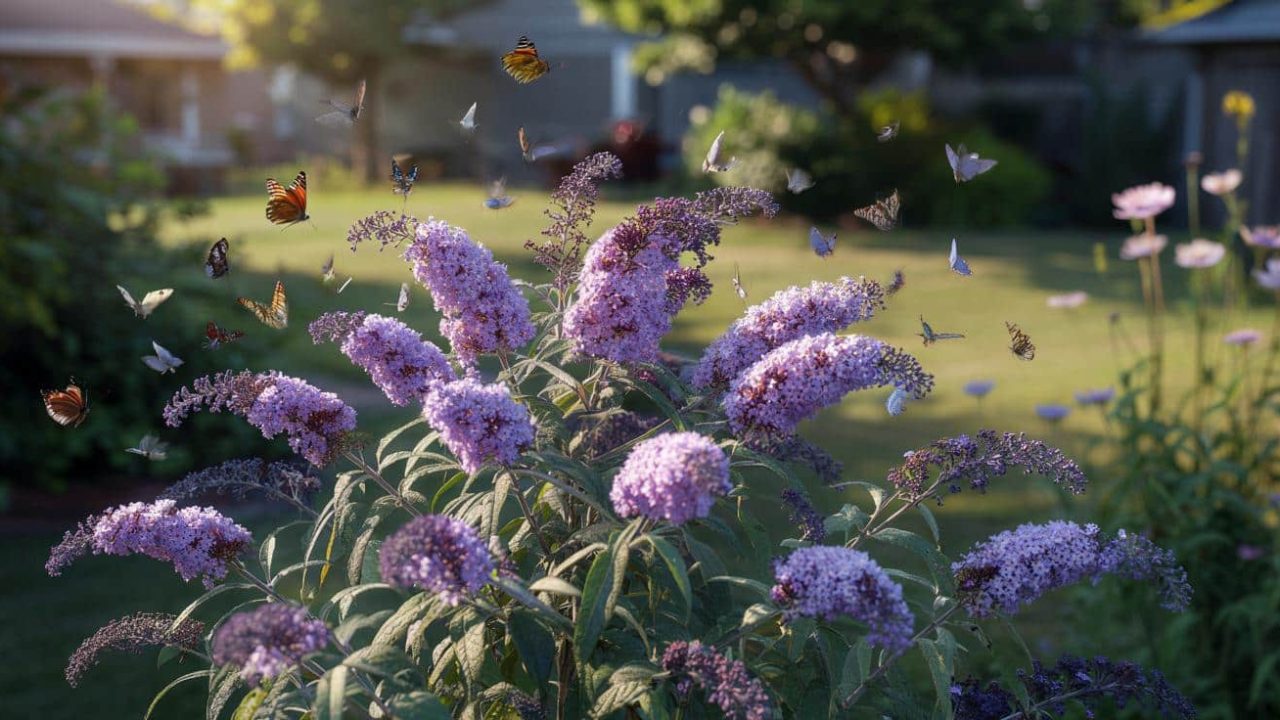
Seventy-two-year-old Beatrice Chen stood at her kitchen window, watching what looked like a snowstorm in July. Except this wasn’t snow—it was hundreds of monarch butterflies swirling around the bright orange flowers that had taken over her backyard. “I planted one small bush three years ago,” she told her neighbor over the fence. “Now look at this magical chaos.”
Her neighbor peered through the fence slats, amazed. The temperature gauge on Beatrice’s porch read 98°F, yet those vibrant orange blooms looked as fresh as if they’d been planted yesterday. “What is that plant?” her neighbor asked, pulling out her phone to take a video of the butterfly tornado.
“Butterfly weed,” Beatrice grinned. “Best gardening decision I ever made.”
The Tough Beauty That Thrives When Others Wilt
Butterfly weed (Asclepias tuberosa) might just be the ultimate survivor in the plant kingdom. While your petunias are gasping and your impatiens are throwing in the towel during those brutal summer heat waves, this native North American wildflower is just getting started.
This isn’t your typical delicate garden flower. Butterfly weed has deep taproots that can stretch down three feet or more, anchoring it against drought and allowing it to find water when surface soil turns to dust. Those roots also store nutrients, making the plant incredibly resilient to harsh conditions that would kill most flowering plants.
The beauty of butterfly weed is that it actually prefers neglect. The hotter and drier it gets, the more it seems to thrive. It’s like nature’s way of rewarding lazy gardeners.
— Dr. Patricia Williamson, Native Plant Specialist
The plant produces clusters of bright orange flowers from late spring through early fall, creating a beacon that’s visible to butterflies from remarkable distances. But it’s not just the color that draws them in—butterfly weed is a host plant for monarch butterflies, meaning monarchs actually lay their eggs on the leaves, and the caterpillars feed on the plant as they grow.
Why Butterflies Can’t Resist This Plant
Understanding why butterfly weed creates such a butterfly magnet requires looking at both the science and the timing. This plant belongs to the milkweed family, and it produces nectar that’s particularly rich in the sugars butterflies need for energy during their long migrations.
Here’s what makes butterfly weed irresistible to butterflies:
- High-quality nectar with the perfect sugar concentration
- Flat-topped flower clusters that create easy landing platforms
- Blooming period that coincides with peak butterfly activity
- Essential host plant status for monarch reproduction
- Strong fragrance that attracts butterflies from long distances
| Butterfly Species | Relationship to Butterfly Weed | Peak Activity Time |
|---|---|---|
| Monarch | Host plant and nectar source | July-September |
| Swallowtail | Primary nectar source | June-August |
| Fritillary | Preferred nectar source | July-September |
| Skipper | Regular nectar source | May-October |
When people ask me for one plant that will transform their yard into a butterfly paradise, I always say butterfly weed. Nothing else comes close to its drawing power.
— Marcus Rodriguez, Butterfly Garden Designer
Growing Your Own Butterfly Highway
The best part about butterfly weed? It’s almost impossible to kill once established. This plant laughs at drought, shrugs off poor soil, and actually performs better without fertilizer or frequent watering.
Starting butterfly weed does require some patience. The seeds need a cold treatment called stratification, which you can do by storing them in your refrigerator for 30 days before planting. Many gardeners find it easier to buy small plants from native plant nurseries.
Once planted, the first year might seem disappointing. There’s an old saying about butterfly weed: “First year it sleeps, second year it creeps, third year it leaps.” That’s because the plant is busy establishing those crucial deep roots during its first growing season.
People get impatient with butterfly weed, but trust the process. By year three, you’ll have a plant that’s practically indestructible and produces flowers for decades.
— Jennifer Kim, Master Gardener
The Ripple Effect in Your Backyard
Planting butterfly weed creates changes that extend far beyond just attracting butterflies. The deep roots help prevent soil erosion, and the plant’s ability to thrive without irrigation makes it a water-wise choice for sustainable landscaping.
Birds also benefit from butterfly weed plantings. While they don’t typically eat the nectar, they feast on the insects that the flowers attract. Goldfinches particularly love the fluffy seeds that butterfly weed produces in late fall.
The environmental impact goes even deeper. By providing habitat for monarch butterflies, backyard butterfly weed plantings contribute to supporting the monarch migration, one of nature’s most remarkable phenomena. Monarchs travel up to 3,000 miles from Canada to Mexico, and they depend on milkweed plants like butterfly weed for survival along the route.
Every butterfly weed plant is like a gas station on the monarch highway. The more we plant, the better chance these incredible migrants have of completing their journey.
— Dr. Samuel Torres, Monarch Conservation Researcher
Planning Your Butterfly Paradise
The key to maximizing butterfly weed’s impact is strategic placement and companion planting. Choose the sunniest spot in your yard—this plant needs at least six hours of direct sunlight to perform its best.
Butterfly weed pairs beautifully with other native plants that bloom at different times, extending the butterfly buffet throughout the growing season. Purple coneflower, black-eyed Susan, and native asters create a succession of blooms that keeps butterflies visiting from spring through fall.
Consider planting butterfly weed in clusters rather than single plants. Groups of three to five plants create a more dramatic visual impact and provide a more substantial nectar source for visiting butterflies.
FAQs
How long does butterfly weed take to bloom from seed?
Most butterfly weed plants grown from seed will bloom in their second year, with full maturity reached by the third year.
Is butterfly weed toxic to pets?
Yes, like other milkweeds, butterfly weed contains compounds that can be toxic to dogs and cats if ingested in large quantities.
When should I cut back butterfly weed?
Wait until late fall or early spring to cut back the stems, as the seed pods provide food for birds through winter.
Will butterfly weed spread in my garden?
Butterfly weed spreads slowly through underground rhizomes and self-seeding, but it’s not considered aggressive or invasive.
Can butterfly weed grow in containers?
While possible, butterfly weed performs much better in the ground where its taproot can develop fully.
What’s the difference between butterfly weed and other milkweeds?
Butterfly weed is the only milkweed that doesn’t produce the characteristic white, milky sap when cut, and it’s typically more drought-tolerant than other species.