
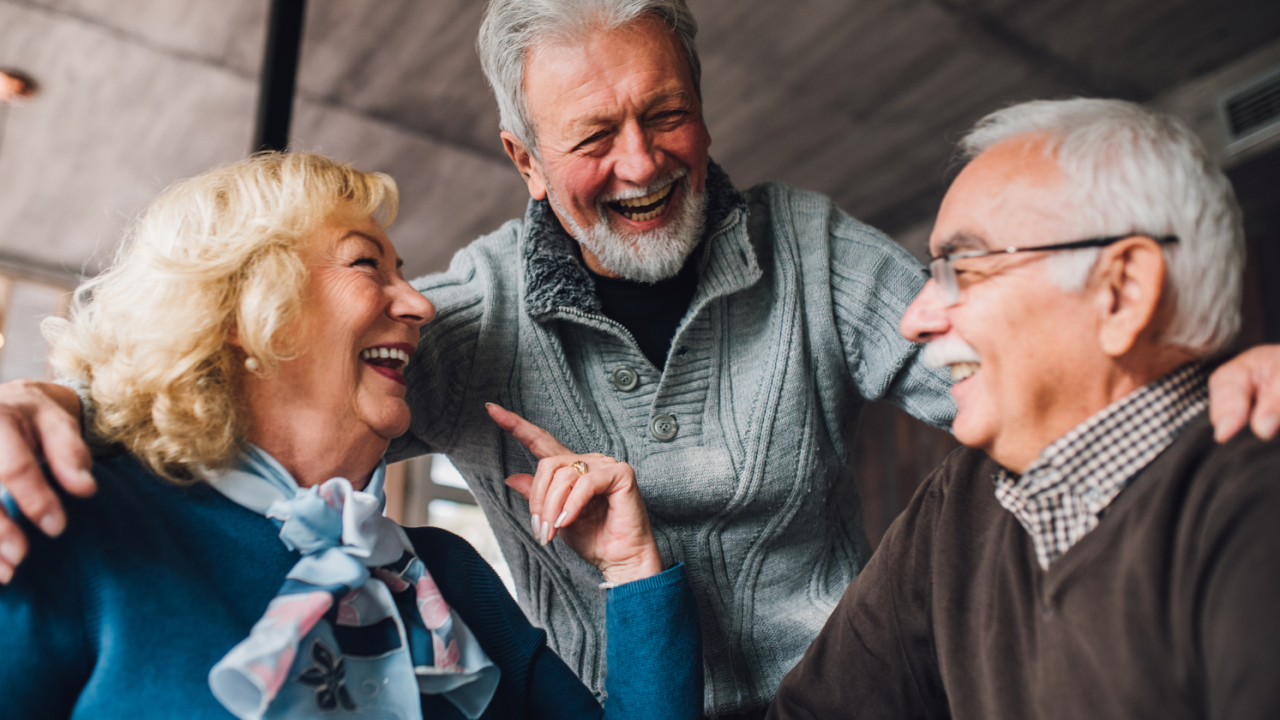
Evelyn Chen hadn’t expected much when she moved into the senior living community at 68. After her husband’s passing, the quiet suburban house felt too empty, too silent. But three years later, she’s become the unofficial social coordinator, organizing weekly book clubs and morning walking groups. Her doctor recently told her something remarkable: her blood pressure had improved, her energy levels were higher, and her overall health markers looked better than they had in years.
“I thought I was just keeping busy,” Evelyn laughs. “I didn’t realize I was actually adding years to my life.”
She wasn’t just keeping busy—she was tapping into one of the most powerful predictors of longevity that science has identified.
The Science Behind Social Connection and Longevity
Research consistently shows that people with strong social connections have a 50% greater likelihood of survival compared to those with weaker social ties. This isn’t just about having people around—it’s about meaningful relationships that provide emotional support, practical help, and a sense of belonging.
The impact becomes even more pronounced after age 60. As we face natural life transitions like retirement, health changes, and loss of loved ones, our social networks often shrink precisely when we need them most.
Social isolation doesn’t just feel bad—it creates chronic stress that accelerates aging at the cellular level. Strong relationships act like a buffer against life’s inevitable challenges.
— Dr. Patricia Williams, Gerontologist at Stanford University
But what does this actually look like in daily life? How do you build and maintain these life-extending connections when traditional social structures start to fade?
What Strong Social Connections Actually Mean After 60
Forget the stereotype of crowded parties or constant socializing. Meaningful social connections after 60 look different than they did in your 30s or 40s. Quality trumps quantity every time.
Here’s what research identifies as the key components of life-extending social connections:
- Regular meaningful contact: At least weekly interaction with 3-5 people who know you well
- Mutual support systems: Relationships where you both give and receive help
- Shared activities or interests: Regular participation in group activities
- Emotional intimacy: At least one person you can confide in about personal matters
- Community involvement: Feeling connected to something larger than yourself
| Type of Connection | Frequency | Health Impact |
|---|---|---|
| Close confidant | 2-3 times per week | Reduces stress hormones by 25% |
| Social group activities | Weekly | Improves cognitive function |
| Community involvement | Monthly | Increases sense of purpose |
| Regular acquaintances | 2-3 times per week | Maintains social skills |
The magic number seems to be around 3-5 close relationships, plus broader community connections. It’s not about being popular—it’s about having people who truly matter to you and vice versa.
— Dr. Robert Chen, Social Psychology Research Institute
Building Your Longevity Network: Practical Strategies
Creating strong social connections after 60 requires intentionality, especially if you’re starting from a place of isolation. The good news? It’s never too late to build meaningful relationships.
Start with shared interests: Join groups centered around activities you genuinely enjoy. Whether it’s gardening clubs, book groups, or volunteer organizations, shared interests create natural conversation starters and ongoing reasons to connect.
Embrace technology strategically: Video calls with distant family members, online communities for your hobbies, or even social apps designed for seniors can supplement in-person connections. The key is using technology to enhance real relationships, not replace them.
Create routine touchpoints: Regular coffee dates, walking partnerships, or weekly check-ins create predictable social contact that both parties can count on.
Be the connector: Like Evelyn, sometimes taking the initiative to organize activities or introduce people to each other creates a natural social hub around you.
Many of my patients worry they’re too old to make new friends, but I see it happen all the time. The key is showing up consistently and being genuinely interested in others.
— Dr. Maria Rodriguez, Geriatric Medicine Specialist
When Life Gets in the Way: Overcoming Common Obstacles
Building social connections after 60 isn’t always straightforward. Health issues, transportation challenges, financial constraints, or simply feeling out of practice socially can create real barriers.
Health limitations: Look for activities that accommodate your current abilities. Many communities offer seated exercise classes, virtual book clubs, or low-impact social activities.
Transportation issues: Explore options like senior transport services, carpooling with neighbors, or activities within walking distance. Many libraries and community centers are specifically designed to be accessible.
Financial constraints: Focus on free or low-cost activities. Libraries, parks, community centers, and religious organizations often offer social programs at no cost.
Social anxiety: Start small with structured activities where the focus isn’t entirely on conversation—volunteer work, classes, or hobby groups provide natural talking points.
The Ripple Effect: How Strong Connections Improve Everything
The longevity benefits of social connection extend far beyond just living longer. People with strong social networks after 60 experience:
- Better cognitive function and lower dementia risk
- Improved immune system response
- Lower rates of depression and anxiety
- Better sleep quality
- Increased motivation to maintain healthy habits
- Faster recovery from illness or injury
Perhaps most importantly, strong social connections create a positive feedback loop. When you feel connected and supported, you’re more likely to take care of your health, stay active, and remain engaged with life.
I’ve watched patients transform their entire health trajectory simply by becoming more socially connected. It’s like they remember who they are and what they’re living for.
— Dr. James Thompson, Family Medicine
The 50% increase in longevity that comes with strong social connections isn’t just about adding years to your life—it’s about adding life to your years. Every conversation, every shared meal, every moment of genuine connection is an investment in your future health and happiness.
Like Evelyn discovered, sometimes the best medicine doesn’t come in a bottle—it comes from the simple act of showing up for each other, creating communities of care that sustain us through whatever comes next.
FAQs
How many friends do I need to get the longevity benefits?
Research suggests 3-5 close relationships plus broader community connections provide optimal health benefits.
Do online relationships count as social connections?
Yes, but they work best when combined with some in-person interaction. Virtual connections can be especially valuable for maintaining long-distance relationships.
What if I’m naturally introverted?
Quality matters more than quantity. Even introverts benefit from meaningful social connections—focus on deeper relationships rather than large social circles.
Is it too late to build new friendships after 60?
Absolutely not. Many people form their strongest friendships later in life when they have more time and clarity about what matters to them.
How long does it take to see health benefits from improved social connections?
Some benefits like reduced stress and better mood can appear within weeks, while longer-term health improvements typically develop over months to years.
What if my family relationships are complicated?
Focus on building chosen family through friendships and community connections. The health benefits come from any supportive relationships, not necessarily blood relatives.