
Fifteen-year-old Ezra stood at the bottom of the climbing wall at summer camp, tears streaming down his face. The other kids had made it halfway up before jumping down to the safety mats, but Ezra couldn’t even grab the first handhold. “I can’t do it,” he sobbed to the counselor. “It’s too scary.”
What happened next would have been unthinkable forty years ago. Instead of gentle encouragement to try again, the counselor immediately offered an alternative activity. “That’s okay, honey. You don’t have to climb if you don’t want to. Let’s go do arts and crafts instead.”
This scene plays out thousands of times daily across America, and psychologists are increasingly concerned about what it means for an entire generation of young people who have never learned that discomfort can be their greatest teacher.
When Struggle Was Part of Growing Up
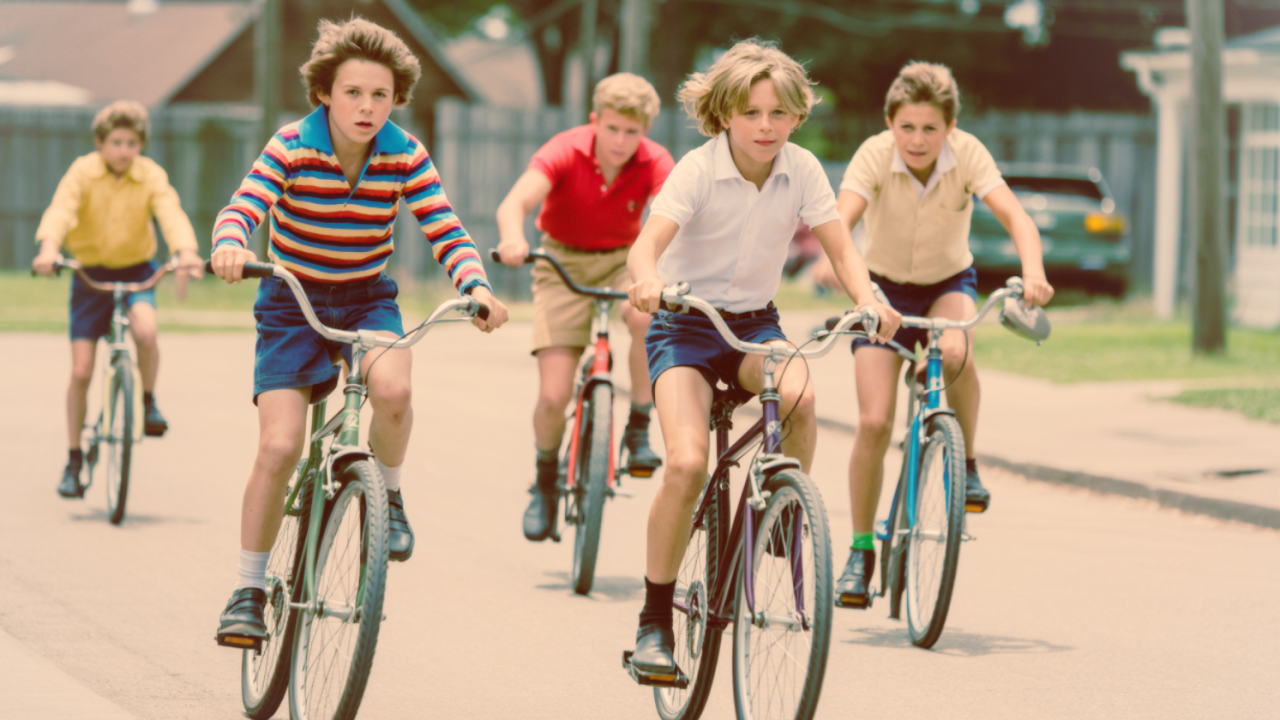
The generation that came of age in the 1960s and 70s learned a fundamental life lesson that seems almost revolutionary today: discomfort is not something to be avoided, but rather embraced as a pathway to growth. These were the kids who walked to school alone, played outside until dark without supervision, and were expected to figure things out on their own.
Back then, parents operated under a completely different philosophy. When a child fell off their bike, they were told to dust themselves off and try again. When homework was difficult, parents might offer guidance but rarely completed assignments themselves. The prevailing wisdom was that struggle builds character, and character builds resilient adults.
The children of the 60s and 70s were essentially given a gift that we’re now denying our kids – the opportunity to develop their own coping mechanisms through trial and error.
— Dr. Patricia Henley, Developmental Psychologist
Today’s parenting culture has swung dramatically in the opposite direction. Modern parents, driven by love and good intentions, have created what researchers call “snowplow parenting” – systematically removing every obstacle from their child’s path before they even encounter it.
The Anatomy of Modern Overprotection
The shift didn’t happen overnight, but the changes are stark when you compare generational approaches to common childhood challenges:
| Situation | 1970s Response | 2020s Response |
|---|---|---|
| Child struggles with math homework | “Keep trying, you’ll figure it out” | Parent does the homework or hires a tutor |
| Conflict with friend at school | “Work it out between yourselves” | Parent calls the other parent or teacher |
| Child wants to quit difficult activity | “You committed, you finish the season” | “If you’re not happy, we’ll find something else” |
| Disappointment over not making the team | “Practice harder and try again next year” | “The coach was unfair, let’s talk to the principal” |
This fundamental shift in approach has created what psychologists call “learned helplessness” on a generational scale. Young adults who have never experienced manageable discomfort as children find themselves completely unprepared for the inevitable challenges of adult life.
We’re seeing college students who have nervous breakdowns over their first B grade, or young employees who quit jobs after receiving any form of constructive criticism. They simply don’t have the emotional tools to handle normal life stress.
— Dr. Marcus Chen, Clinical Psychologist
The statistics tell a troubling story. College counseling centers report that anxiety and depression among students have skyrocketed, with many institutions struggling to meet the demand for mental health services.
The Hidden Costs of Comfort
What well-meaning parents don’t realize is that by removing all sources of discomfort, they’re inadvertently teaching their children that they’re incapable of handling challenges independently. Every problem solved by a parent is a missed opportunity for a child to develop confidence in their own problem-solving abilities.
The research is clear on what happens when children don’t experience manageable stress and challenge during their developmental years:
- Decreased tolerance for frustration and setbacks
- Higher rates of anxiety when facing new situations
- Reduced creativity in problem-solving
- Lower self-confidence in their own abilities
- Increased dependence on others for decision-making
- Greater likelihood of giving up when faced with obstacles
The irony is profound: in trying to protect their children from pain, parents are actually setting them up for much greater suffering later in life. The child who never learns to tolerate discomfort becomes the adult who crumbles when faced with inevitable challenges like job rejection, relationship conflicts, or financial stress.
Resilience is like a muscle – it only develops through use. Children who are never allowed to struggle never develop the strength to handle life’s bigger challenges.
— Dr. Amanda Rodriguez, Child Development Specialist
What Real-World Impact Looks Like
The consequences of this generational shift are showing up everywhere. College professors report students who expect grades to be negotiable and who become distraught over any criticism of their work. Employers describe young workers who struggle with basic workplace feedback and who often quit rather than work through challenges.
Perhaps most concerning is the impact on mental health. Young adults who were overprotected as children often experience their first real setback as catastrophic because they have no framework for understanding that struggle is normal and temporary.
The solution isn’t to swing back to neglect or harsh treatment, but rather to find a middle ground that honors both safety and growth. This means allowing children to experience appropriate challenges while providing emotional support and guidance.
The goal isn’t to make childhood harder, but to help children develop the confidence that comes from knowing they can handle hard things.
— Dr. Robert Kim, Family Therapist
Some practical steps parents can take include letting children solve their own peer conflicts, allowing them to experience natural consequences for poor choices, and resisting the urge to rescue them from every uncomfortable situation.
The generation raised in the 60s and 70s understood something we’re in danger of forgetting: that our children are more capable than we think, and that the greatest gift we can give them is confidence in their own resilience. It’s time to remember that discomfort isn’t the enemy of childhood – it’s one of its greatest teachers.
FAQs
How do I know if I’m being overprotective with my child?
Ask yourself if you’re solving problems your child could reasonably handle themselves, or if you find yourself intervening before they’ve even asked for help.
What’s the difference between appropriate support and overprotection?
Appropriate support means being available for guidance while letting your child take the lead in solving their own problems. Overprotection means jumping in to fix things before they’ve had a chance to try.
At what age should children start handling their own challenges?
Age-appropriate independence can start as early as toddlerhood with simple choices and natural consequences, gradually increasing complexity as children mature.
How can I help my child who already shows signs of low frustration tolerance?
Start small with manageable challenges, celebrate their efforts rather than just outcomes, and model healthy responses to your own setbacks.
Is it too late if my teenager has never learned to handle discomfort?
It’s never too late, but change will take time and consistency. Begin by gradually reducing your intervention in their problems while offering emotional support.
How do I balance keeping my child safe with letting them struggle?
Focus on emotional and social challenges rather than physical safety, and remember that temporary discomfort is very different from actual harm.