
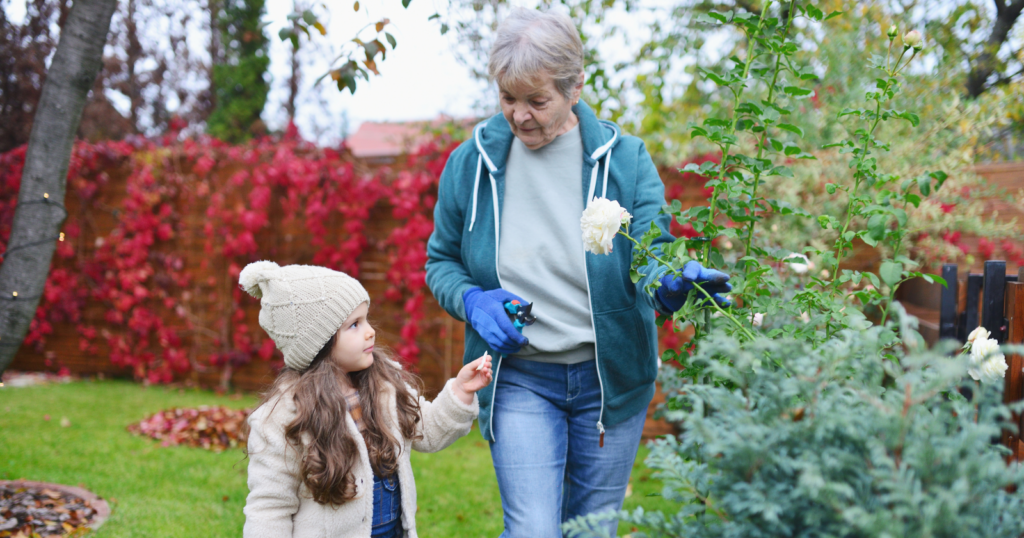
The checkout line at the grocery store moved slowly that Tuesday afternoon when 82-year-old Evelyn watched a mother snap at her toddler for dropping crackers. “Pick those up right now!” the woman hissed, barely glancing down at her child’s confused face.

Evelyn stepped forward gently. “Excuse me, sweetie,” she said to the three-year-old, crouching down to his level. “Would you like some help picking those up? Thank you so much for being such a good helper.” The little boy’s face lit up as they gathered the crackers together.
The mother looked embarrassed, but Evelyn just smiled warmly. Later, her granddaughter asked why she was always so polite to children, even when they made mistakes. Evelyn’s response has stuck with three generations of her family: “How you speak to small people when they can’t do anything for you is who you actually are.”

The True Test of Character Happens in Small Moments
That grandmother’s wisdom touches on something profound about human nature. We live in a world where politeness often feels transactional—we’re courteous to our boss, respectful to people who can help us, and charming when we want something.
But children? They hold no power over our careers, can’t write us recommendations, and won’t remember to return favors. They’re completely vulnerable, dependent on the adults around them for everything from basic needs to emotional safety.

“When we treat children with genuine respect and kindness, we reveal our authentic selves. There’s no hidden agenda, no expectation of return—just pure human decency.”
— Dr. Patricia Chen, Child Development Specialist

This isn’t just about saying “please” and “thank you.” It’s about recognizing that every interaction shapes both the child’s developing sense of self-worth and our own character. When we speak to children with the same courtesy we’d offer any adult, we’re modeling what respectful communication looks like.
Think about the last time you saw an adult dismiss a child’s question, interrupt them mid-sentence, or speak to them in a tone they’d never use with their peers. These moments reveal something important about that person’s core values.

What Respectful Communication with Children Actually Looks Like
Treating children with genuine respect goes far beyond basic politeness. It involves recognizing them as complete human beings who deserve dignity, even when they’re having meltdowns in Target or asking the same question for the fifteenth time.
Here are the key elements of respectful communication with children:
- Physical positioning: Getting down to their eye level during important conversations
- Active listening: Actually hearing what they’re trying to communicate, even if it takes patience
- Honest explanations: Giving age-appropriate but truthful answers to their questions
- Acknowledgment: Recognizing their feelings as valid, even when their reactions seem disproportionate
- Basic courtesies: Using “please,” “thank you,” and “excuse me” just as you would with adults
- Respectful correction: Addressing mistakes or misbehavior without attacking their character
| Instead of This | Try This | Why It Matters |
|---|---|---|
| “Because I said so” | “Let me explain why this is important” | Builds understanding and trust |
| “Stop crying” | “I can see you’re upset. What’s wrong?” | Validates emotions while seeking solutions |
| “You’re being bad” | “That behavior isn’t okay. Let’s talk about better choices” | Separates the child from the behavior |
| Ignoring their questions | “That’s a great question. Here’s what I think…” | Encourages curiosity and learning |
“Children are incredibly perceptive. They know when adults are genuinely interested in them versus when they’re just going through the motions. That authenticity shapes their entire worldview.”
— Marcus Thompson, Elementary School Principal
The Ripple Effect of Treating Children with Dignity
When we consistently treat children with respect, something remarkable happens. They learn that respectful communication is the baseline for human interaction, not something reserved for people in positions of power.
Children who experience genuine respect from adults develop stronger self-esteem, better communication skills, and more empathy for others. They’re more likely to speak up when something’s wrong because they’ve learned their voice matters.
But the impact goes beyond the children themselves. Adults who make the conscious choice to treat children with dignity often find it transforms their other relationships too.
“I started being more intentional about how I spoke to my daughter, and I realized I was also becoming more patient and kind with everyone else. It’s like practicing compassion in its purest form.”
— Jennifer Martinez, Parent and Teacher
This grandmother’s wisdom reveals something uncomfortable but important: how we treat the most vulnerable people in our lives—children, elderly relatives, service workers, anyone who can’t immediately benefit us—shows our true character.
It’s easy to be charming when it serves our interests. It’s much harder to extend genuine kindness when there’s no obvious payoff. But that’s exactly when our real selves shine through.
Why This Matters More Than Ever
In our increasingly connected but often impersonal world, children are watching how adults navigate relationships. They’re learning from every interaction whether people deserve basic respect simply because they’re human, or only when they have something to offer.
The children who grow up experiencing consistent respect and kindness from adults become the teenagers who stand up for their peers and the adults who treat everyone with dignity. It’s a generational investment in creating a more compassionate society.
“Every time we choose to speak respectfully to a child, we’re not just impacting that moment—we’re modeling the kind of world we want them to help create.”
— Dr. Rachel Kim, Family Therapist
That grandmother in the grocery store understood something profound: our character isn’t defined by how we treat people who can help us climb the ladder of success. It’s revealed in how we treat people who can’t do anything for us at all.
The next time you interact with a child—whether it’s your own, a neighbor’s, or a stranger’s—remember that you’re not just communicating with them. You’re showing them what kind of person you really are, and more importantly, what kind of world they should expect to live in.
FAQs
Why should I say “please” and “thank you” to children if they’re not doing me favors?
Children learn communication patterns from adults. When you model respectful language, you teach them that courtesy is a basic part of human interaction, not something earned through status or power.
Won’t being too polite to children undermine my authority as a parent or teacher?
Respect and authority aren’t opposites. Children actually respond better to clear boundaries when they’re delivered respectfully. You can be firm about rules while still treating children with dignity.
What if other adults think I’m being too formal with kids?
Your relationship with children is about your values, not other people’s opinions. Most children light up when treated with genuine respect, and other adults often notice and appreciate the positive interaction.
How do I stay respectful when a child is having a meltdown or misbehaving?
Take a breath and remember that children’s emotional regulation skills are still developing. You can address the behavior firmly while still speaking to them as you would want to be spoken to during your worst moments.
Is there a difference between being respectful and being permissive?
Absolutely. Respectful communication means treating children with dignity while still maintaining appropriate boundaries. You can say “no” kindly and explain consequences without being dismissive or harsh.
At what age should I start treating children this way?
From the very beginning. Even babies benefit from being spoken to respectfully. They may not understand the words, but they pick up on tone and intention much earlier than most people realize.